Loading...
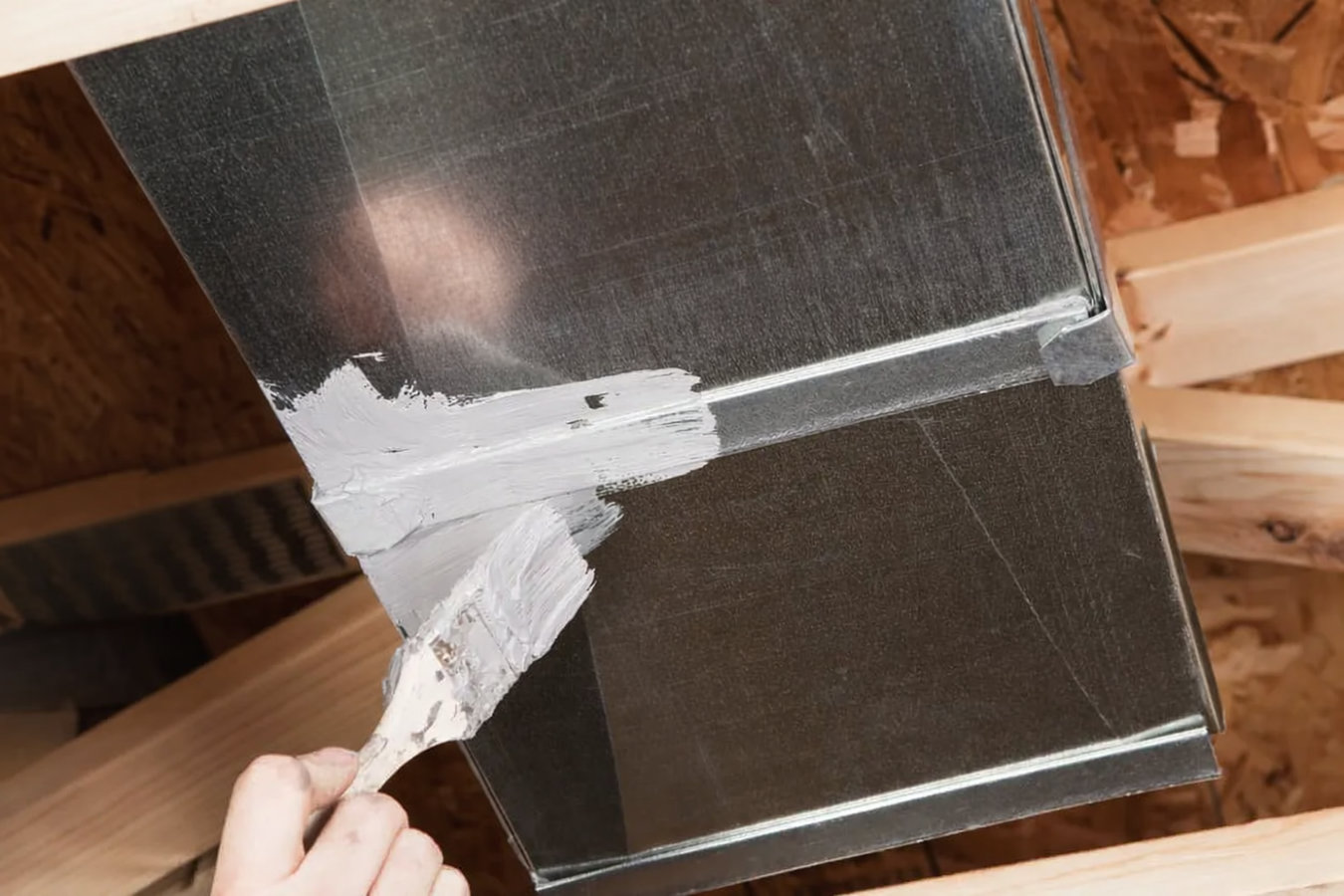
Gaps and cracks in your home let outside air in and conditioned air out every hour of the day. We find them, seal them, and prove the results with a blower door test.
Air sealing in Salinas means finding and closing every gap, crack, and penetration in your home's envelope, stopping outside air from entering and conditioned air from escaping. Most jobs are completed in one day, using a blower door test before and after to give you a measurable result rather than a contractor's estimate of how well the work went.
In Salinas, where cool marine air rolls in off Monterey Bay most evenings year-round, air leakage is a twelve-month problem rather than a seasonal one. Homes built before 1990, which account for a large share of Salinas's housing stock, were constructed without any air-tightness requirements. That means gaps around every pipe, wire, and beam that passes through the attic floor, gaps that have been leaking energy for decades.
Air sealing works alongside insulation, not instead of it. Insulation slows heat from moving through solid materials; air sealing stops air from moving through gaps. Doing one without the other leaves real money on the table. If you are also considering attic air sealing, that targeted service addresses the single area where most Salinas homes lose the most air.
If you can feel a cool breeze near electrical outlets or light switches on exterior walls, that air is traveling through your wall cavities from outside. In Salinas, where cool marine air pushes in from the coast most evenings, those drafts are especially noticeable and a reliable sign of gaps that need sealing.
If one bedroom is always colder than the rest of the house, or your living room heats up faster than it should in summer, uneven air distribution is often the cause. These temperature swings usually point to air leaks in specific areas, such as the attic above that cold room or the wall cavity behind that warm one.
If your PG&E bill seems out of proportion to what neighbors in similar-sized homes pay, air leakage is one of the most common culprits. Salinas's mild but persistently cool climate means your heating system may run more than you expect, not because it is broken, but because conditioned air is escaping faster than it should.
Homes with significant air leaks pull outdoor air through gaps in the attic and walls, and that air carries whatever is outside with it. In the Salinas Valley, where agricultural dust and pollen are a regular part of the air during growing and harvest seasons, a home that seems impossible to keep clean is often a home with unsealed gaps.
Every air sealing project starts with a blower door test, not a visual guess. That test depressurizes your home so leaks show up clearly, and it gives us a number that tells us how much work is actually needed before we quote anything. We then seal the identified gaps using the right material for each location: spray foam for larger openings, caulk for smaller cracks, and special gaskets for electrical boxes and fixtures.
We recommend pairing air sealing with basement insulation or attic insulation in the same visit when it makes sense, because the combined impact on energy costs is greater than either upgrade alone. Many PG&E rebate programs require both to be done together to qualify, so combining them also tends to reduce what you pay out of pocket. The ENERGY STAR Seal and Insulate program has long recommended this combined approach as the most cost-effective way to improve a home.
For homes in the Salinas Valley where agricultural dust and pollen are a year-round issue, sealing the gaps in your attic floor and walls also cuts off the main pathway that outdoor air uses to carry particulates into your living spaces. That is a benefit that shows up in air quality, not just on your utility bill. The U.S. Environmental Protection Agency notes that indoor air quality improvements are one of the practical secondary benefits of a well-sealed home.
Targeting the attic floor, where most leakage occurs in Salinas's older homes. Sealing around penetrations and at the rim joist delivers the highest return per dollar on most projects.
For homes with vented crawl spaces, sealing gaps and penetrations from below stops cold air and ground moisture from entering the living area through the floor.
A comprehensive pass through attic, walls, and crawl space. Recommended for older Salinas homes that have never had an energy assessment and likely have significant leakage throughout.
Salinas's marine climate means air infiltration is a year-round problem, not a winter issue you address once and forget. Cool, damp air rolls in from Monterey Bay most afternoons and evenings, including in summer, and homes with significant air leaks feel the effects twelve months a year. Your heating system works harder in the evenings even when daytime temperatures were mild, and that pattern shows up on your PG&E bill every single month.
Much of Salinas's housing was built between the 1940s and the 1980s, a period when air-tightness was not a building requirement. Homes in older Salinas neighborhoods and in nearby Seaside typically have gaps around every pipe, wire, and structural element that passes through the attic floor, gaps that have been leaking air since the home was built. Many homeowners in these neighborhoods have simply gotten used to drafty rooms and high bills without connecting the two.
The Salinas Valley's agricultural environment adds another layer to the air quality case for sealing. Field dust, pollen, and particulates from nearby farming operations are a regular part of the outdoor air, especially from late summer through fall harvest season. Homeowners in Salinas and surrounding communities like Marina often notice that a properly sealed home is significantly easier to keep clean during those seasons.
We reply within one business day. We ask a few basic questions about your home's age and whether you have noticed any drafts or unusual energy bills, so we arrive prepared to diagnose, not just sell.
A technician walks your home and runs a blower door test, a large fan temporarily placed in your doorway that reveals exactly where air is leaking. This is the step that separates a real diagnosis from guesswork.
You receive a written quote covering the scope of work and total cost. We also confirm whether your project qualifies for PG&E rebates or California energy efficiency incentives before you commit.
The crew seals the identified gaps with foam, caulk, or gaskets. Most jobs are done in a single day. We run the blower door test again before we leave so you can see the before-and-after result in a real number.
Free blower door assessment. Written quote before any work starts. Results you can measure.
(831) 243-7355We test your home before work begins and again after it is done. That comparison gives you a real, measurable result, not just a contractor's word that the job went well. You can see exactly how much your home's air leakage rate improved.
We work across Salinas, from older downtown neighborhoods to the east side subdivisions near Highway 68. We know what pre-1980 Salinas homes look like inside and where the leakage tends to concentrate.
We are familiar with PG&E's current rebate programs for qualifying air sealing and insulation work. We handle the paperwork so you capture every dollar you are entitled to without spending an afternoon on hold.
A tight home needs the right ventilation to stay healthy. We assess your home's ventilation as part of every air sealing project and flag any concerns before they become problems.
The Building Performance Institute sets the professional standard for home air sealing, including the requirement for before-and-after testing that verifies results. When you call Salinas Insulation, you get a contractor who follows that standard, knows the local housing stock, and gives you a number that proves the work was done correctly.
Air sealing and basement insulation work together to stop cold air entry from below the living area.
Learn moreA dedicated attic air sealing service targets the single largest source of air leakage in most Salinas homes.
Learn moreFall is the best time to seal before the rainy season. Openings fill up fast, so call now to lock in your date before the calendar fills.