
Loading...
Salinas Insulation is a local insulation contractor serving Santa Clara, CA, providing closed-cell foam insulation, attic insulation, crawl space insulation, and air sealing for homeowners throughout the city. Santa Clara's housing stock is dominated by postwar ranch homes built between 1950 and 1985, and we have been installing and upgrading insulation in homes like these across the South Bay since we opened.
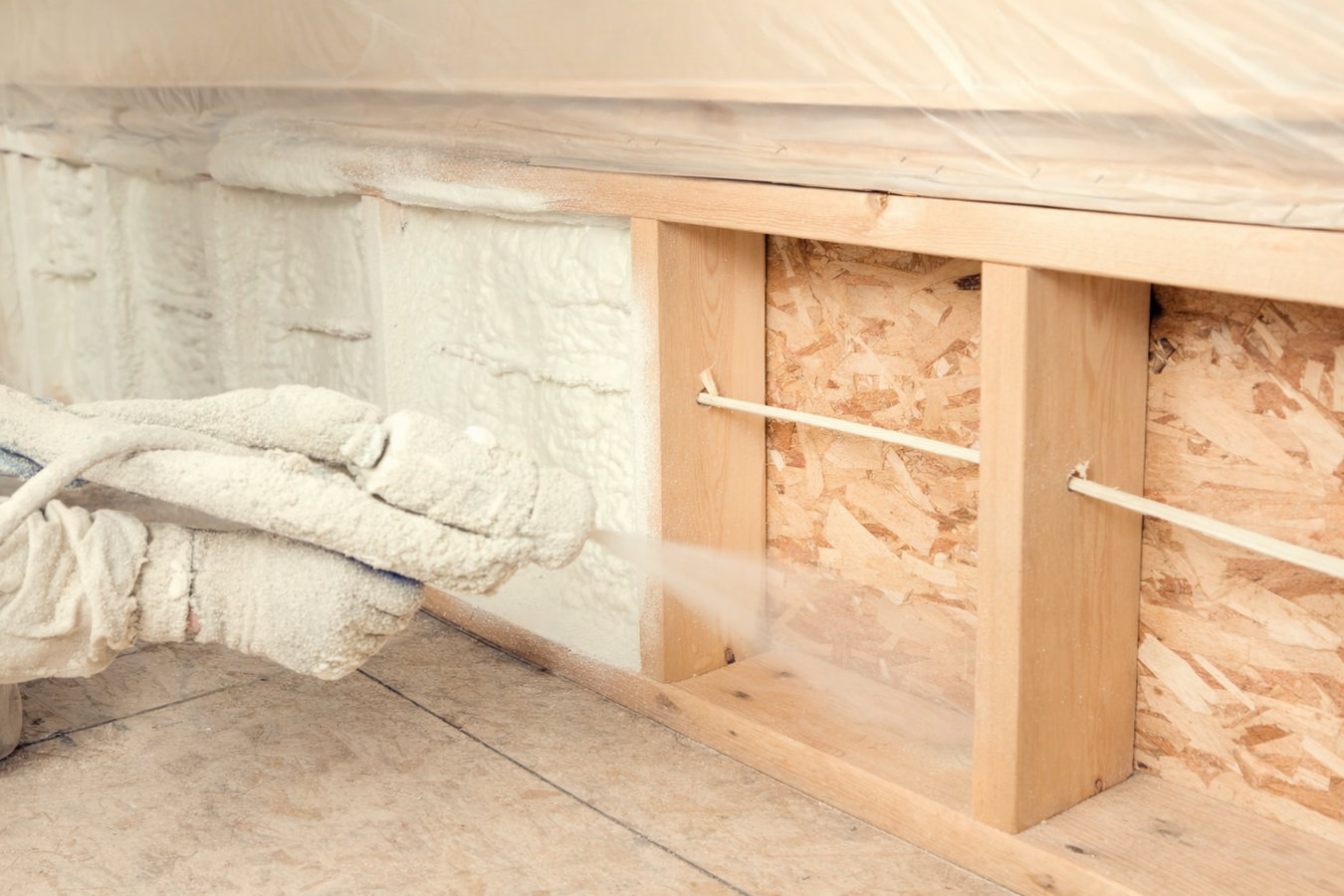
Each service below addresses a specific condition common in Santa Clara's housing stock and climate. We do not pad estimates with work a home does not need.
Santa Clara's older ranch homes often have rim joists, crawl space walls, and attic knee walls where standard insulation batts leave gaps that let conditioned air escape. Closed-cell spray foam expands to fill those irregular surfaces completely and also acts as a moisture barrier, which matters in homes near the Bay where damp air can work into the structure over time. If you want to understand the full process and what it costs for a Santa Clara home, read more about our closed-cell foam insulation service before calling for an estimate.
Santa Clara's dry, hot summers push attic temperatures well above outdoor air temperatures, and that heat radiates down into living spaces for hours after the sun sets. Most homes built here before 1985 have attic insulation that has compressed significantly below its original R-value, and some have very little insulation at all above the ceiling joists. Upgrading attic insulation is typically the single highest-impact project for reducing energy bills in Santa Clara's older single-family homes.
Many of Santa Clara's raised-foundation ranch homes have crawl spaces that go uninspected for years, accumulating moisture from the wet winter season and providing easy entry for pests looking for shelter in the dry summer months. Insulating and encapsulating the crawl space keeps floors warmer in winter and reduces the moisture load on wood framing and subfloor materials. It also closes the gaps that rodents and insects use to enter the living area from below.
Even a home with adequate insulation can lose a significant amount of conditioned air through unsealed gaps around recessed lights, plumbing and electrical penetrations, and the attic access hatch. In Santa Clara, where the San Andreas Fault lies just a few miles to the west, seismic activity gradually widens these gaps over time. Sealing them before or alongside insulation work consistently delivers better energy savings than insulation upgrades alone.
Many of Santa Clara's 1950s and 1960s ranch homes were built with hollow or minimally insulated exterior walls, a standard practice before California's energy codes tightened. Retrofitting wall insulation in an existing home without full interior demolition is possible using blown-in techniques that work through small access holes drilled from the exterior or interior. We use this approach regularly on Santa Clara homes where homeowners want better wall performance without a major renovation.
The attic is where most air leakage occurs in a Santa Clara ranch home. Gaps around ceiling fixtures, the tops of interior partition walls, and HVAC equipment connections allow conditioned air to escape directly into the attic space, where it is immediately wasted. Sealing these penetrations at the attic floor before adding insulation ensures that the insulation works as intended, rather than just covering air leaks that continue to operate underneath.
The majority of Santa Clara's single-family homes were built between 1950 and 1980, before California's Title 24 energy standards existed. Homes from that era were constructed with minimal wall and attic insulation by today's requirements, and after 40 to 70 years that insulation has compressed, shifted, or been disturbed by pest activity and past repairs. The result is a large share of the city's housing stock that leaks conditioned air constantly, even in homes that look well-maintained from the outside.
Santa Clara's seismic exposure is a factor that insulation contractors in other parts of the country do not need to think about. The San Andreas Fault runs just a few miles to the west, and the Hayward Fault lies to the east. Even moderate seismic events shift building framing in ways that open gaps around the rim joist, utility penetrations, and the base of interior walls. These gaps allow air to move freely between conditioned and unconditioned spaces, and they are not visible without a proper attic or crawl space inspection.
Silicon Valley's high PG&E rates make the financial case for insulation upgrades stronger here than in most parts of the country. Homes that run air conditioning heavily through Santa Clara's hot, dry summers often see utility bills that reflect years of heat entering through an under-insulated attic. Upgrading attic insulation to current California standards typically reduces cooling load noticeably within the first billing cycle after installation.
Our crew pulls permits from the City of Santa Clara Building Inspection Division for insulation jobs that require one, and we are familiar with what Santa Clara's inspectors look for on residential work. The housing type we encounter most often here is the single-story stucco ranch home with an attached garage, a low-pitched roof, and a raised foundation with a crawl space below. These are the homes that define the older neighborhoods close to Santa Clara University and the Central Park area.
The city stretches from the older residential blocks near downtown to the newer planned community of Rivermark in the north, where townhomes and condos built in the early 2000s have different insulation needs than the mid-century houses across the rest of the city. Levi's Stadium and California's Great America mark the northern edge of the city, and most of the single-family residential neighborhoods sit south and west of those landmarks. Getting equipment to the side or back of a ranch home on a compact lot is something our crew plans for on every Santa Clara job.
We serve homeowners across multiple South Bay cities, including Campbell, CA to the south and Salinas, CA to the southeast. If you are comparing contractors across Santa Clara County, we work in all of the areas we serve on a regular basis and can schedule your estimate alongside jobs in adjacent cities.
Reach us by phone or through the estimate form. We respond within one business day and will ask a few questions about your home before scheduling a site visit. You do not need to have answers to everything, just describe what you are noticing.
We inspect your attic, crawl space, or the areas of concern, check the condition of existing insulation, and give you a written estimate that lists materials, labor, and whether a permit is required. No vague quotes given over the phone.
If the project requires a permit from the City of Santa Clara, we file it before scheduling your installation date. Once the permit is approved, we confirm your date and let you know exactly what to prepare before the crew arrives.
Most Santa Clara homes are completed in a single day. If spray foam is used, you will need to be out of the home for 2 to 4 hours during and after application. Before we leave, we walk you through the finished work so you can see the coverage yourself.
We work with homeowners in Santa Clara's older ranch neighborhoods and newer developments like Rivermark. Call us or submit a request and we will respond within one business day.
(831) 243-7355Santa Clara is a city of about 130,000 residents sitting at the geographic center of Silicon Valley, bordered by San Jose, Sunnyvale, and Cupertino. The city is home to major tech campuses including those of Intel and NVIDIA, as well as Levi's Stadium, the home venue of the San Francisco 49ers. According to the city's Wikipedia entry, Santa Clara is also one of the oldest municipalities in California, with roots going back to the Mission Santa Clara de Asis founded in 1777.
The city has several distinct neighborhoods with different housing characters. The area around Santa Clara University in the south is primarily mid-century single-family homes with stucco exteriors and modest lots. The Central Park neighborhood near downtown reflects the same postwar housing character. In contrast, the Rivermark neighborhood in the north is a planned community developed in the early 2000s with townhomes, condos, and small single-family homes that tend to have more current insulation levels but may still benefit from air sealing work around shared walls and mechanical spaces.
About 60 percent of Santa Clara's housing units are renter-occupied, which is among the highest rates in Santa Clara County. But the city's owner-occupants tend to be long-term residents with high-value properties and a clear motivation to maintain them. Homeowners in nearby Salinas, CA face similar housing stock conditions and are also part of the area we serve regularly.
Seals gaps and air leaks while delivering one of the highest R-values available for new and existing homes.
Learn moreKeeps heat from escaping through the roof and reduces temperature swings throughout the year.
Learn moreLoose-fill material that fills irregular spaces and adds R-value quickly with minimal disruption.
Learn moreComprehensive insulation solutions for every area of the home, from roof to foundation.
Learn moreSafe removal of old, damaged, or contaminated insulation before new material is installed.
Learn moreProtects the underside of your floor from moisture, cold, and energy loss year-round.
Learn moreReduces heat transfer through exterior and interior walls for more consistent indoor comfort.
Learn moreCloses gaps around penetrations and framing to stop conditioned air from escaping.
Learn moreInsulates basement walls and rim joists to lower heating costs and reduce moisture issues.
Learn moreHigh-density foam that acts as both insulation and a vapor barrier in a single application.
Learn moreLightweight, flexible foam ideal for interior walls and sound dampening in residential spaces.
Learn moreTargets the attic floor bypasses where most heat loss in older homes actually occurs.
Learn moreHeavy-duty plastic sheeting that blocks ground moisture from entering your crawl space.
Learn moreControls moisture movement through walls, floors, and ceilings to prevent mold and rot.
Learn moreAdds insulation to finished spaces without major demolition using drill-and-fill methods.
Learn moreEnergy-efficient insulation solutions for offices, warehouses, and multi-unit buildings.
Learn moreServing these cities and communities.
Our crew works throughout Santa Clara, from the older ranch neighborhoods near downtown to the newer homes in Rivermark. Call us or submit a request and we will follow up within one business day.