Loading...
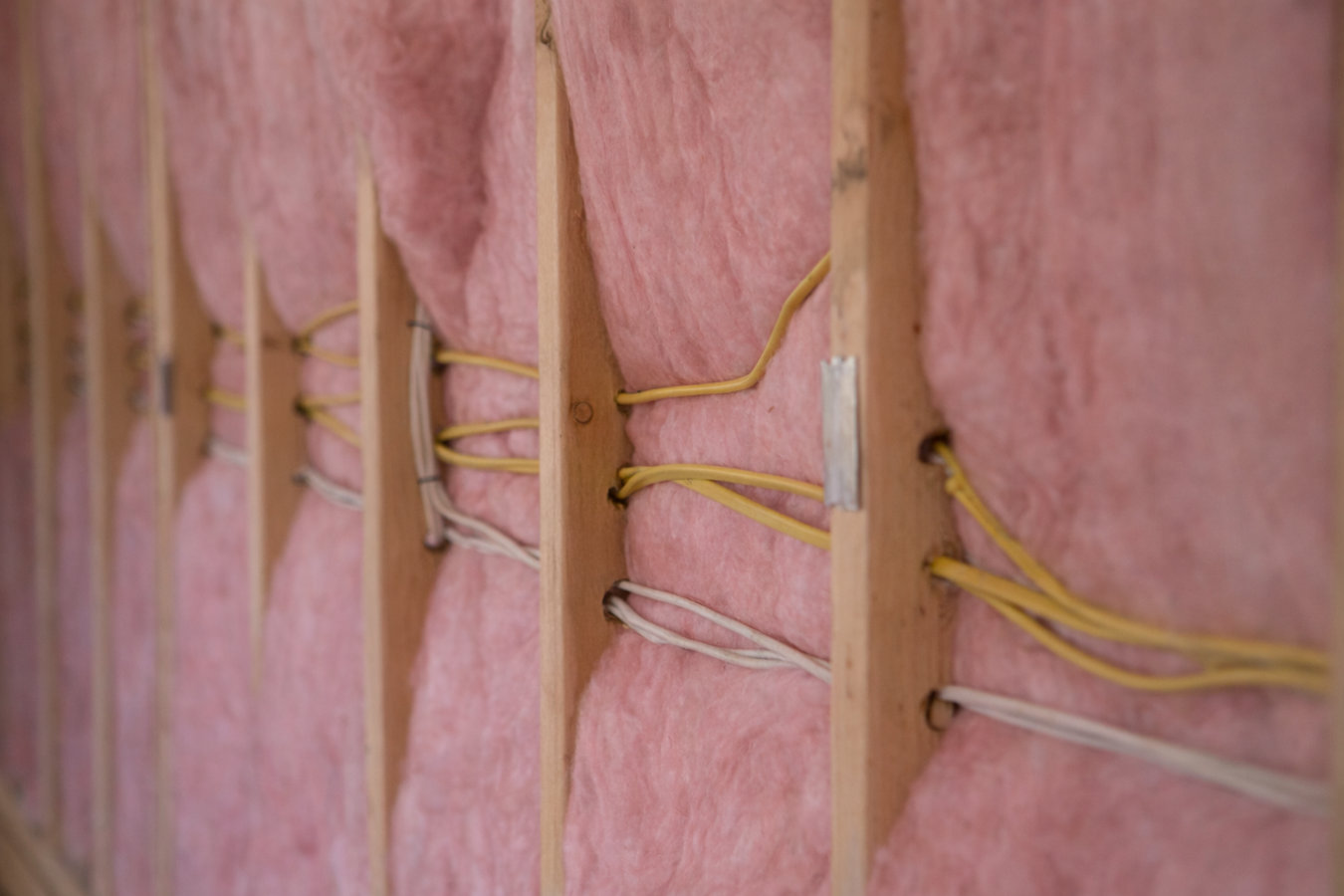
Empty wall cavities are costing you money on every PG&E bill. We fill them with the right material for your home's age and layout so heat stays where you want it.
Wall insulation in Salinas slows heat transfer through your exterior walls, keeping conditioned air inside and outdoor temperatures outside. Most retrofit jobs are completed in one to two days by drilling small access holes, filling each wall cavity completely, and patching the holes before the crew leaves.
Much of Salinas's housing stock dates from the 1950s through the 1980s, a period when wall cavities were routinely left empty. If your home is from that era and has never had insulation work done, you are likely paying to heat and cool air that escapes through every wall surface. Adding insulation is one of the most direct ways to address that.
Wall insulation works best when combined with proper air sealing services, since gaps and cracks in walls let air pass right through regardless of how much insulation is present. We address both during the same visit when the situation calls for it.
If certain rooms in your home feel persistently cold even with the heater running, your wall cavities may be empty. In Salinas, the marine layer keeps outdoor temperatures cool for much of the year, and uninsulated walls let that chill pass straight through into your living spaces.
Air moves through the same wall cavities that insulation would fill. Hold your hand near an electrical outlet or light switch on an exterior wall, and if you feel a faint draft, that is air traveling freely through the cavity. This is one of the simplest self-checks a homeowner can do without any tools.
If your monthly energy costs are noticeably higher than what neighbors in similar-sized homes pay, poor wall insulation is one of the first things worth investigating. Heat loss through uninsulated walls is invisible but shows up clearly on your utility bill every single month.
When warm indoor air meets a cold, uninsulated wall surface, moisture can form. If you notice damp spots, peeling paint, or a musty smell near exterior walls during Salinas's cooler, foggier months, inadequate insulation may be allowing wall surfaces to stay cold enough to attract condensation.
We offer blown-in loose fill and spray foam for existing walls, and we recommend based on your home's age, wall construction, and what level of air sealing makes sense for your situation. Blown-in is the right fit for most Salinas retrofit projects because it reaches the full depth of the cavity through small holes with minimal disruption to finished surfaces. For homeowners whose walls have never been touched and who want a single visit to handle both insulation and air sealing, spray foam fills the cavity and creates an air barrier in one step.
Before we quote, we probe or scan your walls to confirm what is already there. Homes built in Salinas before 1980 often have original fiberglass batts that have settled or none at all, and knowing that upfront means the quote we give you reflects the actual scope of work. We are also familiar with the older wood-lath-and-plaster construction found in some of Salinas's pre-1950s neighborhoods, which have narrower cavities that require more careful technique to fill completely.
Pairing wall insulation with blown-in insulation in the attic at the same time is a common approach for Salinas homeowners who want to address the largest sources of heat loss in a single project. The U.S. Department of Energy recommends combining wall and attic insulation for homes with little existing coverage because the combined impact is greater than either upgrade alone.
Suited to most existing Salinas homes. Small holes are drilled into the wall surface, insulation is blown in to fill the cavity completely, and the holes are patched before the crew leaves.
Ideal when air sealing and insulation need to happen in the same step. Expands to fill every gap in the cavity and provides a built-in air barrier.
For older Salinas homes being upgraded without a full renovation. We assess what is already in the wall and add material without requiring you to gut the finish surfaces.
Salinas's marine climate creates a year-round comfort problem that most inland California cities do not face. Cool, damp air rolls in off Monterey Bay most mornings and evenings, even in summer, which means your walls are not just fighting summer heat. They are also holding back persistent moisture-laden air that can make your home feel cold and clammy well into June. Good wall insulation stabilizes indoor temperatures so your home feels comfortable year-round, not just during the two months when the weather is actually warm.
A large share of Salinas's residential housing stock was built between the 1950s and the 1980s, particularly in neighborhoods like Alisal, East Salinas, and the areas near downtown. Homes from that era were routinely constructed with empty wall cavities because insulation simply was not required or common practice at the time. Some homes from that era have had insulation added over the years, but many have not. Homeowners in Salinas and nearby Seaside often see the biggest improvement in comfort during the cooler months, when insulated walls keep the marine chill from seeping in through every surface.
PG&E serves Salinas and has historically offered rebates for insulation upgrades as part of its energy efficiency programs. Checking current rebate availability before scheduling is a simple step that could reduce your out-of-pocket cost meaningfully. Homeowners in Monterey and the surrounding area face the same coastal climate factors, and we see similar project profiles across the region.
We respond within one business day. During that first conversation we ask about your home's age and which rooms concern you most, so we show up prepared and do not waste your time.
A technician walks your home's exterior and checks your walls with a probe or thermal camera to confirm whether insulation is present. This visit is free and takes 30 to 60 minutes.
You receive a written quote that covers the scope of work, material type, and total cost. We also tell you upfront whether your project qualifies for PG&E rebates, so you know the real net cost before you commit.
The crew drills small access holes, fills each wall cavity, patches and finishes the holes, and cleans up before leaving. Most homes are done in a single day. Patched holes are ready for paint within a day or two.
Free in-home assessment. Written quote before any work starts. No pressure.
(831) 243-7355We have worked across Salinas neighborhoods from downtown to the east side subdivisions. We know what the local housing stock looks like and what to expect when we open up walls built in the 1950s through the 1980s.
After filling your wall cavities, we probe or scan to confirm coverage before patching the holes. Gaps and voids are the most common quality problem in wall insulation, and they are invisible once the holes are patched.
We are familiar with the current PG&E energy efficiency rebate programs that apply in Salinas. We handle the documentation so you capture the money you are entitled to without spending an afternoon on hold with your utility.
We assess your walls thoroughly before quoting so the number you agree to is the number you pay. If we find something unexpected during the assessment, we tell you before the work starts, not after.
The Building Performance Institute sets the professional standard for home energy upgrades, and we work to those standards on every wall insulation project. When you call us, you get a contractor who knows Salinas homes, gives you a straight answer about what your walls need, and backs the work with proof rather than just a promise.
Pairing wall insulation with professional air sealing closes the gaps that let outside air bypass insulation entirely.
Learn moreBlown-in material is the most common method for filling existing wall cavities without opening up finished surfaces.
Learn moreSalinas crews stay busy, especially in fall before the rainy season. Call now to lock in your date and start cutting your PG&E bill.