
Loading...
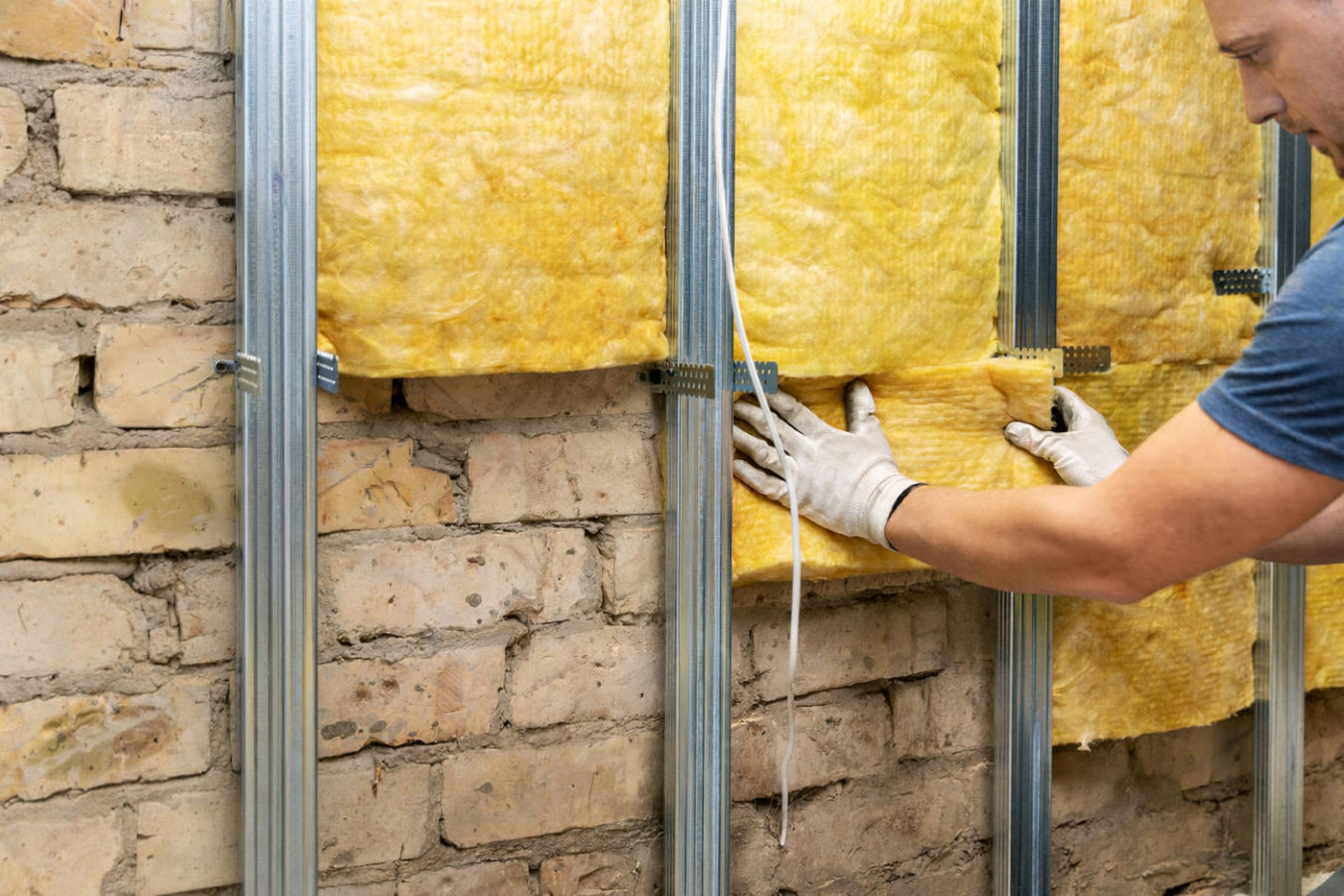
Cold floors and high PG&E bills are costing Salinas homeowners money every month. Proper basement insulation fixes both problems, and most jobs are done in one to two days.
Basement insulation in Salinas slows heat moving through your basement walls and floor, which keeps the living space above warmer and reduces how hard your heating system has to work. Most jobs take one to two days and focus on either the basement walls or the ceiling above, depending on whether your basement is heated.
If your home was built between the 1940s and 1970s, there is a good chance no one has ever touched the basement insulation. That makes your basement one of the biggest sources of heat loss in the house. Many homeowners who tackle this along with closed-cell foam insulation in the crawl space see a noticeable drop in their first seasonal energy bill.
Salinas's marine fog also means moisture is always present, even in summer. Before any insulation goes in, a qualified contractor checks for moisture issues. Done right, the work should last for decades without needing to be touched again.
Most of these signs are easy to spot without any tools.
If kitchen or hallway floors feel noticeably cold underfoot on cool Salinas mornings, heat is escaping through an uninsulated basement ceiling below. You do not need tools to detect this, just walk barefoot across your floors after a foggy night.
A persistent musty or damp smell in the basement is a sign that moisture is sitting on surfaces long enough to encourage mold or mildew. In Salinas's foggy climate, this is more common than in drier California cities. This does not always mean insulation first, but it does mean a proper moisture assessment before any material goes in.
If your heating or cooling costs seem out of proportion to the size of your home, an uninsulated or under-insulated basement is one of the first places to look. Heat moves toward cooler spaces, and an uninsulated basement acts like a drain on the warmth you are paying to create upstairs. PG&E can show you how your usage compares to similar homes in your neighborhood.
Homes built in Salinas before 1980 were almost never insulated to modern standards. If you have lived in your home for years and cannot recall any basement work being done, there is a strong chance it is one of your biggest sources of energy loss. A quick look in the basement, checking for any fluffy or foam material on the walls or ceiling, tells you a lot.
The right approach for your basement depends on how you use the space. For conditioned basements, heated or cooled and used as living space, insulating the walls is the better choice. It wraps the entire lower level inside your home's thermal envelope, so the floor above stays warm and the room itself is comfortable. We typically use closed-cell foam insulation on foundation walls because it handles moisture better than batts and bonds directly to the surface.
For unheated basements where the main goal is warmer floors and lower bills, insulating the basement ceiling is often more practical. Batt or blown-in material between the floor joists creates a thermal barrier between the cold basement and the living space above. If your home also has a crawl space, combining basement ceiling work with crawl space insulation gives you coverage on all sides of the lower level.
Regardless of which approach we use, every basement job starts with a moisture assessment. Salinas's marine climate means condensation is always a factor, and skipping that step is the most common reason basement insulation fails prematurely. We check for any existing moisture intrusion before a single piece of material goes in, so the work holds up for the long term.
Best for conditioned or finished basements where the whole lower level needs to stay within your home's thermal boundary.
Best for unheated basements where the priority is keeping the floors above warm and reducing heat loss without conditioning the whole space.
Required first step for every basement job in Salinas, where the marine climate makes moisture behind insulation a real risk.
Seals the gap where the floor framing meets the foundation, one of the most common sources of cold air and pest entry in older Salinas homes.
Salinas sits in the Salinas Valley just a few miles from Monterey Bay, and that proximity means cool, damp marine air rolls through almost every day of the year. That is different from most of inland California, where basements dry out between rain events. Here, moisture pressure on basement walls and floors is constant, and homes without proper insulation and vapor control are slowly taking on moisture without the owner realizing it.
A large share of homes in central Salinas were built between the 1940s and 1970s, a period when basement insulation was rarely included. If your home is in one of the older neighborhoods near downtown, near Alisal, or along the streets south of Market, there is a strong chance the basement has never been touched. Those homes are often the most cost-effective to upgrade because the improvement is so dramatic relative to what was there before.
We serve homes across the Salinas area and into the surrounding communities. If your home is in Monterey, Seaside, or Watsonville, the same coastal moisture conditions apply, and the same approach delivers the same results.
California's building energy standards set minimum R-value requirements for basement insulation done as part of permitted work. Learn more at the California Energy Commission.
We reply within 1 business day. Here is what the process looks like from first contact to completed work.
We ask a few basic questions about your basement, current conditions, and whether you have noticed any moisture issues. That lets us arrive prepared for your specific situation.
We visit your home, check for moisture, measure the space, and walk you through your options. You receive a written estimate before any work is agreed to, with the scope and price clearly stated.
If your project requires a permit from the City of Salinas Building Division, we handle the application. This adds a few days to the timeline but protects you with an official inspection on record.
Most standard Salinas basement jobs are done in one to two days. We walk you through the finished work before we leave so you can see the coverage with your own eyes.
Free written estimates. No obligation. We reply within 1 business day.
(831) 243-7355We check every basement for moisture before any material goes in. Salinas's coastal fog makes this a non-negotiable step, and it is the most common place other contractors cut corners.
Our crews have years of hands-on experience with basement moisture and vapor control in the Salinas Valley. We put the full scope and cost in writing before we start and document the finished work with photos, so you know exactly what was done and why.
We work across all 12 service areas in our coverage zone, from Salinas and Monterey to Santa Cruz and Hollister. That breadth means we see enough basements every week to know what the local conditions actually require.
Every project starts with a written estimate that states the scope and price clearly. We do not give verbal quotes over the phone without seeing the space. If a contractor does not put the price in writing before starting, that is a red flag.
Basement insulation done right is a long-term investment. We take the assessment seriously, pull the required permits, and walk you through the finished work so you know exactly what was done and where. That process is why Salinas homeowners call us back when they have more work to do.
Dense foam that seals moisture and air simultaneously, especially effective for basement walls in Salinas's damp coastal climate.
Learn moreCombines basement coverage with the crawl space so no part of your home's lower level is left uninsulated.
Learn moreSalinas's fog season runs year-round - the sooner the basement is insulated, the sooner your floors warm up and your bills come down. Call or request an estimate online today.