Loading...
If your Salinas home feels cold in the morning or your PG&E bill runs high year-round, the attic is usually where to start. We assess, air seal, and insulate so the warmth your system produces actually stays inside.
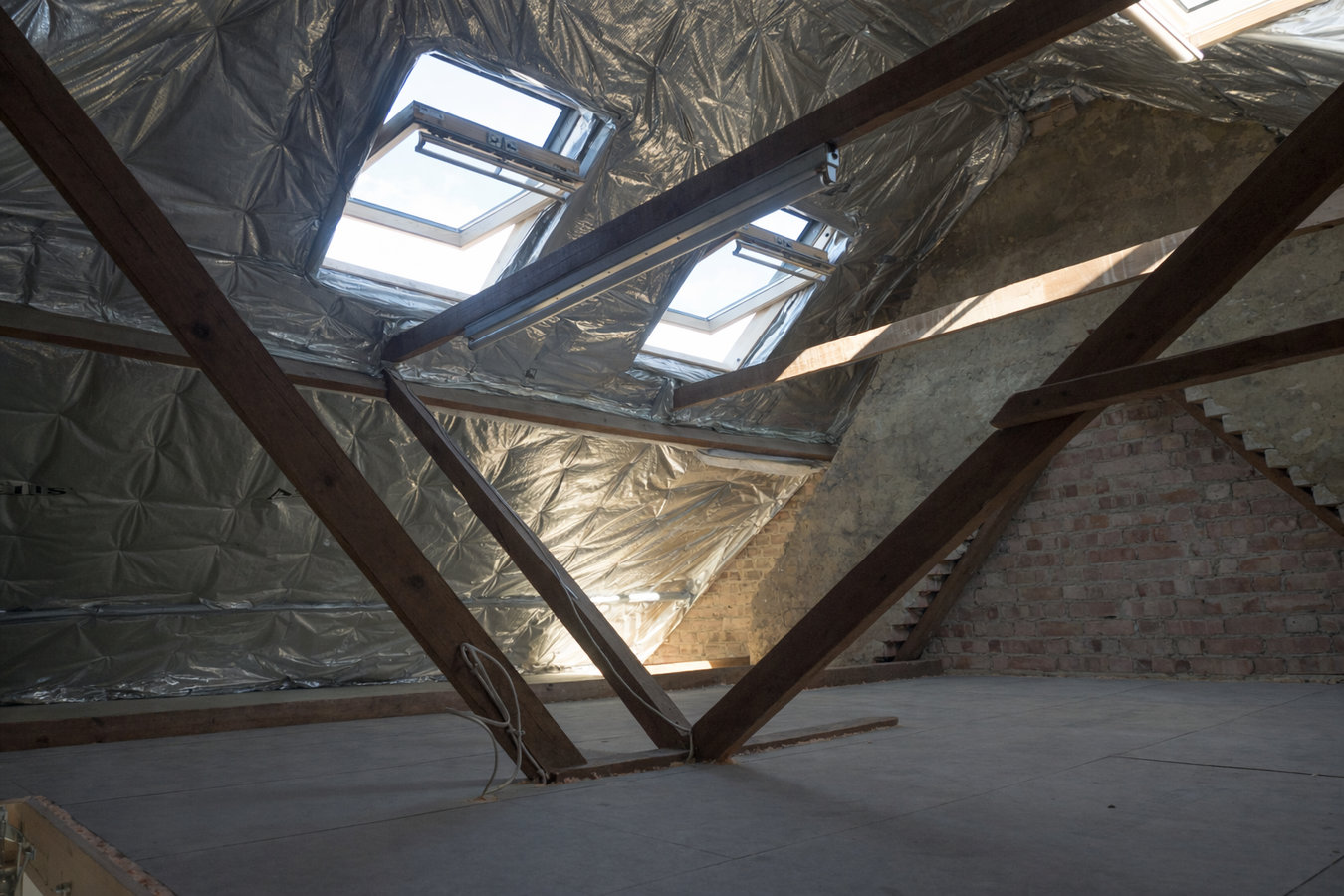
Attic insulation in Salinas works as a thermal barrier between your living space and the outdoors, slowing heat loss through the ceiling year-round. Most single-family attic jobs are completed in one day and the home does not need to be vacated.
Salinas's cool, foggy climate means the heating system runs more often than homeowners in drier parts of California expect, even in summer. Without enough insulation in the attic, that conditioned air escapes through the ceiling continuously. The U.S. Department of Energy estimates that proper air sealing and attic insulation can cut heating and cooling costs by up to 15 percent for homes that are significantly under-insulated.
A large share of Salinas's housing stock was built before 1980, when insulation standards were a fraction of what they are today. Many of these homes have insulation that has settled, compressed, or absorbed moisture over decades. If you also need air gaps closed before new insulation goes in, our attic air sealing service addresses that first step separately, or we can handle both in a single visit.
Salinas mornings are often cool and damp, and if your home feels chilly when you wake up despite running the heat overnight, warmth is escaping through the ceiling while you sleep. This is one of the most common signs that attic insulation is insufficient.
If you look into your attic and the wooden framing boards are visible above the insulation, or the insulation looks thin and flat, you almost certainly do not have enough. Insulation settles and compresses over time, especially in older Salinas homes where it may have been installed decades ago.
Salinas's coastal humidity makes attics here more prone to moisture problems than in drier climates. A musty smell near the attic hatch or water stains on your ceiling can mean moisture has gotten into the insulation, reducing its effectiveness and creating conditions for mold.
Homes built in Salinas before 1980 were constructed under much older standards, and many have insulation levels that are a fraction of what is recommended today. If you have never had the attic inspected or upgraded, and the home is more than 40 years old, it is worth a look.
Every attic insulation job we do starts with an honest look at what is already there. We measure existing insulation levels, check for moisture intrusion, and identify gaps and penetrations in the attic floor that need to be closed before any new material goes in. Skipping that air sealing step is one of the most common shortcuts that leads to under-performing results, and we do not skip it.
For most existing Salinas homes, blown-in insulation is the right choice for the attic floor because it fills odd-shaped spaces and works around existing framing more effectively than batts. For new construction or open attic decks, batt insulation is sometimes the better fit. We also offer blown-in insulation as a standalone service when that is all the project requires.
If your home's insulation has degraded or been damaged by pests or moisture, old material may need to come out before new insulation goes in. We assess that during the estimate visit and include removal in the project scope when it is necessary.
Loose-fill fibers blown in with a machine. Best for existing homes with irregular framing or odd-shaped attic layouts.
Pre-cut rolls installed between framing. Best for open, regularly framed attics or new construction.
Closing gaps, cracks, and penetrations in the attic floor before insulation goes in, so conditioned air cannot bypass the insulation layer.
When old or damaged insulation needs to come out first before a proper upgrade can happen.
Salinas does not have the hot, dry summers that most people picture when they think of California. Marine air from Monterey Bay keeps the city cool and damp, with morning fog rolling in most days. That means the heating system runs more consistently than many homeowners expect, even through the summer months. A properly insulated attic keeps the heat your system produces inside the living space instead of letting it escape through the ceiling into a cold, drafty attic.
The neighborhoods around Alisal and Sherwood Park, as well as much of the older stock near downtown, were built primarily in the 1950s through 1970s. Insulation installed in those homes, if it was installed at all, has had decades to settle, compress, and potentially absorb moisture from the coastal air. Many of those homes are currently operating with effective insulation levels well below what California now recommends. Salinas is served by PG&E, which offers rebates for qualifying insulation upgrades, and a federal tax credit may also apply. Ask us about documentation before the job begins.
We work throughout Salinas and the surrounding region. Homeowners in Seaside, Marina, and Watsonville face the same coastal moisture conditions and often the same older housing stock.
We respond within 1 business day. We ask a few basic questions about your home's age and what has prompted your call, so we arrive with the right equipment and realistic expectations.
A contractor visits your home, goes into the attic to measure existing insulation, and checks for moisture or pest issues. After the visit, you receive a written estimate that explains what will be installed and what it costs. No surprises.
The crew starts with air sealing, then installs the insulation. Most Salinas homes are done in four to six hours. You do not need to leave the house. Clear a path to the attic hatch and consider covering furniture nearby.
When the work is done, we show you the finished attic or provide photos. We leave you with documentation of what was installed, which you will need for any PG&E rebate application or federal tax credit.
We respond within 1 business day and come to your home for a full attic assessment before giving you a written estimate. No guessing, no obligations. If PG&E rebates apply to your project, we will tell you before the work starts.
(831) 243-7355We close up gaps and penetrations in the attic floor before any insulation goes in. A contractor who skips this step leaves conditioned air with a path to bypass the insulation entirely. Ask any contractor you consider whether air sealing is included. The answer tells you a lot about the quality of the work.
PG&E rebates and the federal insulation tax credit require documentation of what was installed. We provide that paperwork as a standard part of the job, not something you have to track down afterward. Salinas homeowners who qualify can stack both incentives on the same project.
Our experienced crews have worked Salinas homes for years. We know the permit requirements at the City of Salinas Building Division and the specific moisture conditions that come with this coastal climate. You get a contractor who already understands your neighborhood.
California's energy standards set minimums for insulation work in this state. Every attic insulation job we complete meets or exceeds those requirements. For homeowners planning to sell, documented compliance with current energy standards is a meaningful item to have in your file.
The ENERGY STAR attic air sealing guide explains why insulation without air sealing underperforms, and the PG&E energy efficiency rebate page shows current incentive amounts for Salinas-area homeowners.
Blown-in insulation is the most common material used in attic upgrades. Learn how it works and when it fits your attic better than batts.
Learn moreAir sealing closes the gaps in your attic floor before insulation goes in. Without it, new insulation alone cannot stop conditioned air from escaping.
Learn morePG&E rebates and federal tax credits are available now. Call or submit your project details and we will be in touch within 1 business day.