
Loading...
Salinas Insulation is a local insulation contractor serving Seaside, CA with attic insulation, crawl space insulation, and blown-in insulation for the city's postwar ranch homes and mid-century tract houses. Most homes in Seaside were built in the 1950s and 1960s for Fort Ord military families, and after 60-plus years, original insulation has compressed and degraded far below what California's current energy standards require. We have been working throughout Seaside since 2022 and know what decades of coastal fog and salt air do to the insulation in homes like yours.
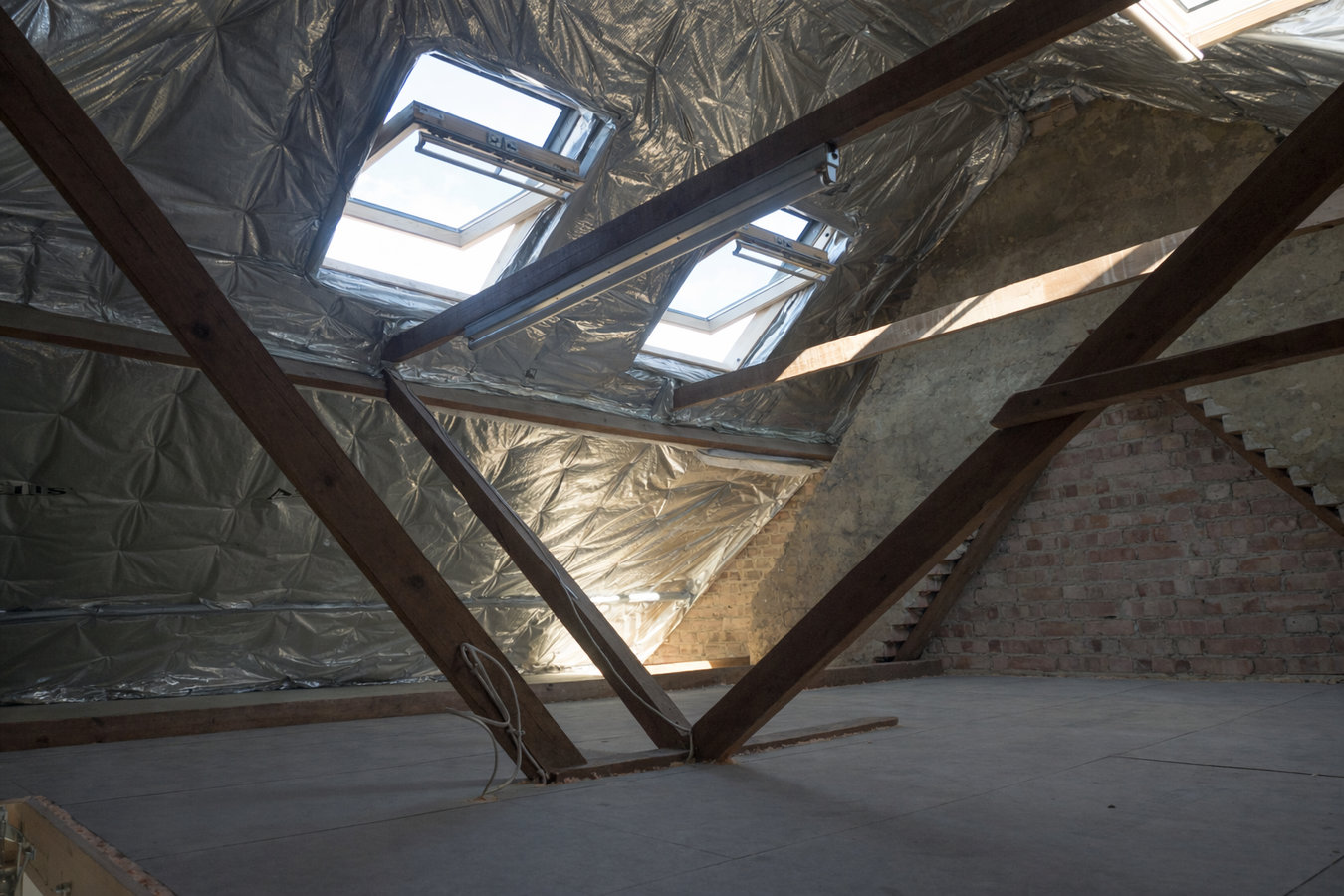
The single-story ranch homes that dominate Seaside's neighborhoods lose more heat through the attic than any other part of the building envelope, and original insulation from the 1950s and 1960s has settled to a fraction of its original depth after decades of coastal humidity. Attic insulation upgrades are the most common job we do in Seaside, and they consistently deliver the biggest improvement in comfort and the largest drop in monthly PG&E bills for homeowners in this city.
Blown-in insulation is well-suited to Seaside's ranch homes because it fills the irregular spaces around joists, pipes, and light fixtures that batt insulation cannot reach. In homes built with the standard flat-ceiling tract construction common throughout Seaside, blown-in material reaches corners and edges near the eaves that are often left uninsulated when batts are laid by hand, and those cold edges are exactly where comfort problems show up first.
Homes built in Seaside before 1975 have dozens of unsealed gaps where wiring, plumbing, and structural members pass through the ceiling plane. Each gap pulls warm air out of the living space and draws cold coastal air down from the attic. Air sealing those bypasses before any insulation is added is the step most contractors skip, but it makes the most difference in how warm and stable your home actually feels after the work is done.
Most Seaside homes were built on concrete slabs, but a portion of the city's older properties, particularly on the streets closer to the hills at the city's eastern edge, have raised foundations with crawl spaces that were never properly insulated. Seaside's wet winters and constant marine-layer moisture create conditions where unprotected crawl spaces accumulate damp air that works upward into the floor structure, leading to cold floors and gradual wood deterioration.
For Seaside homes where moisture intrusion is the primary concern, closed-cell spray foam provides both insulation and a moisture barrier in a single application. This makes it a practical choice for rim joists and crawl space walls in homes where the combination of sandy coastal soil and persistent fog creates ongoing moisture pressure against the foundation. It also bonds rigidly to the framing, which adds structural value in a seismically active area.
Seaside's combination of coastal fog, mild wet winters, and sandy soil creates conditions where ground moisture migrates upward into any crawl space or subfloor area that lacks a proper barrier. A ground-level vapor barrier stops that moisture pathway, protecting floor joists and subfloor sheathing from the slow rot and mold growth that often goes unnoticed for years in homes with deferred maintenance.
Seaside sits directly adjacent to Monterey on California's Central Coast, less than two miles from the Pacific Ocean. Marine fog from Monterey Bay rolls through the city most mornings and keeps humidity levels elevated well into the afternoon. Unlike coastal cities that see dramatic temperature swings, Seaside has mild but persistently damp conditions year-round, with overnight lows in the mid-40s during winter and cool, foggy summers that leave exterior surfaces damp for hours each day. Salt air carried inland from the bay accelerates corrosion on metal components and shortens the life of exterior paint and sealants on the homes nearest the water.
The city's housing stock makes insulation more urgent here than in many other communities. The majority of Seaside's homes were built between the 1940s and 1970s to house Army families stationed at Fort Ord, and they reflect the construction standards of that era: concrete slab foundations, simple ranch layouts, stucco exteriors, and insulation levels that were minimal even when new. After 60 or more years of exposure to coastal humidity, whatever original insulation exists in these attics has typically compressed to half its rated depth or less. California falls into different climate zones, and Seaside sits in Climate Zone 3, which has specific R-value requirements under Title 24 that most original insulation in these homes cannot meet.
Seaside also has a higher proportion of rental housing than nearby cities, with roughly 55 to 60 percent of units renter-occupied. That mix means some properties have had years of deferred maintenance, and landlords as well as homeowners regularly need to bring insulation up to a standard that reduces heating costs and prevents moisture-related deterioration. The proximity to the former Fort Ord National Monument lands to the north and east also means that homes along the urban edge face seasonal dry conditions in summer when winds from those open lands increase dust infiltration, which spray foam's air-sealing capability is well-positioned to address.
We have been pulling permits through the City of Seaside Building Department since we started serving the Monterey Peninsula in 2022, and we know which insulation projects in Seaside require a permit and which do not. The city's predominantly postwar ranch housing is the kind of work our crew does regularly, and we come to jobs in Seaside expecting the specific construction details of that era: low attic profiles, slab foundations, and original batt insulation that has settled to the point of being nearly flat.
Seaside is a compact city, and most neighborhoods are within a short drive of Broadway Avenue, the city's main commercial corridor. Our crews work throughout the city, from the streets nearest Laguna Grande Regional Park to homes closer to the Monterey border on the south side. Cal State Monterey Bay sits just north of Seaside on the former Fort Ord grounds, and the neighborhoods between CSUMB and downtown Seaside include both older military-era homes and a smaller number of newer builds on infill lots.
Seaside sits between two other cities we serve regularly. Just to the north, the homes of Marina, CA share the same Fort Ord housing history and many of the same insulation needs. To the south, our crews travel into Monterey, where hillside cottages and older homes near the water present different but equally familiar challenges. Both cities are on our regular routes.
Call or submit the contact form and we will respond within 1 business day. We ask a few questions about your home, including when it was built and which areas are giving you trouble. Seaside homes from the Fort Ord era have predictable construction details, so we usually have a good picture of what we will find before we arrive.
We come to your Seaside home and inspect the attic and any other areas of concern. Checking for moisture conditions is always part of our assessment in Seaside, since installing new insulation over damp framing creates problems that are far more expensive to fix than to prevent. You receive a written estimate with no obligation before anything is scheduled.
Most Seaside insulation jobs are completed in a single day. We air seal the attic bypasses first, then install the new insulation material. Blown-in attic work allows you to stay home throughout; spray foam applications require you to be out for 24 hours while the foam cures. The crew handles setup, work, and cleanup before leaving.
After the work is done, we walk you through what was installed and provide written documentation of the materials and R-values achieved. That paperwork matters if you plan to apply for PG&E energy efficiency rebates or claim the federal insulation tax credit, both of which require documented proof of what was installed in your home.
We serve all of Seaside, from homes near Laguna Grande Park to neighborhoods along the Broadway corridor. Call us or fill out the form and we will respond within 1 business day.
(831) 243-7355Seaside is a city of about 34,000 people on the Monterey Peninsula, directly adjacent to Monterey and roughly two miles from the Pacific Ocean. It is one of the more densely populated cities in Monterey County, covering about 9 square miles of mostly flat to gently rolling terrain. The city grew up around Fort Ord, the U.S. Army base that operated nearby from 1917 until its closure in 1994, and much of its street grid and neighborhood layout still reflects that military-base origin.
Most of Seaside's residential neighborhoods consist of postwar single-family homes, the majority of them ranch-style tract houses built between the 1940s and 1970s on modest lots with concrete driveways and stucco exteriors. The city has a notable proportion of multi-family housing as well, with apartment complexes and duplexes from the 1960s and 1970s concentrated near Broadway Avenue and Fremont Boulevard. Laguna Grande Regional Park, a city park with a lake and walking trails near the center of Seaside, is a well-known gathering spot for residents throughout the city.
Seaside is one of the most ethnically diverse cities on the Monterey Peninsula, with a strong sense of neighborhood identity among long-term residents, many of whom have lived here for decades. We also serve the communities on both sides of Seaside: neighboring Marina, CA to the north, where Fort Ord military housing is similarly common, and Monterey to the south, where the housing stock is older and the proximity to the ocean creates similar moisture conditions.
Seals gaps and air leaks while delivering one of the highest R-values available for new and existing homes.
Learn moreKeeps heat from escaping through the roof and reduces temperature swings throughout the year.
Learn moreLoose-fill material that fills irregular spaces and adds R-value quickly with minimal disruption.
Learn moreComprehensive insulation solutions for every area of the home, from roof to foundation.
Learn moreSafe removal of old, damaged, or contaminated insulation before new material is installed.
Learn moreProtects the underside of your floor from moisture, cold, and energy loss year-round.
Learn moreReduces heat transfer through exterior and interior walls for more consistent indoor comfort.
Learn moreCloses gaps around penetrations and framing to stop conditioned air from escaping.
Learn moreInsulates basement walls and rim joists to lower heating costs and reduce moisture issues.
Learn moreHigh-density foam that acts as both insulation and a vapor barrier in a single application.
Learn moreLightweight, flexible foam ideal for interior walls and sound dampening in residential spaces.
Learn moreTargets the attic floor bypasses where most heat loss in older homes actually occurs.
Learn moreHeavy-duty plastic sheeting that blocks ground moisture from entering your crawl space.
Learn moreControls moisture movement through walls, floors, and ceilings to prevent mold and rot.
Learn moreAdds insulation to finished spaces without major demolition using drill-and-fill methods.
Learn moreEnergy-efficient insulation solutions for offices, warehouses, and multi-unit buildings.
Learn moreServing these cities and communities.
Call us or send a message today. We will schedule a free assessment, check your attic and any crawl space, and give you a written estimate for what your Seaside home actually needs.