
Loading...
Salinas homes lose comfort and energy through gaps you cannot see. Open-cell foam fills every crack and seals the building envelope in a single visit, so your HVAC stops fighting the coastal air.
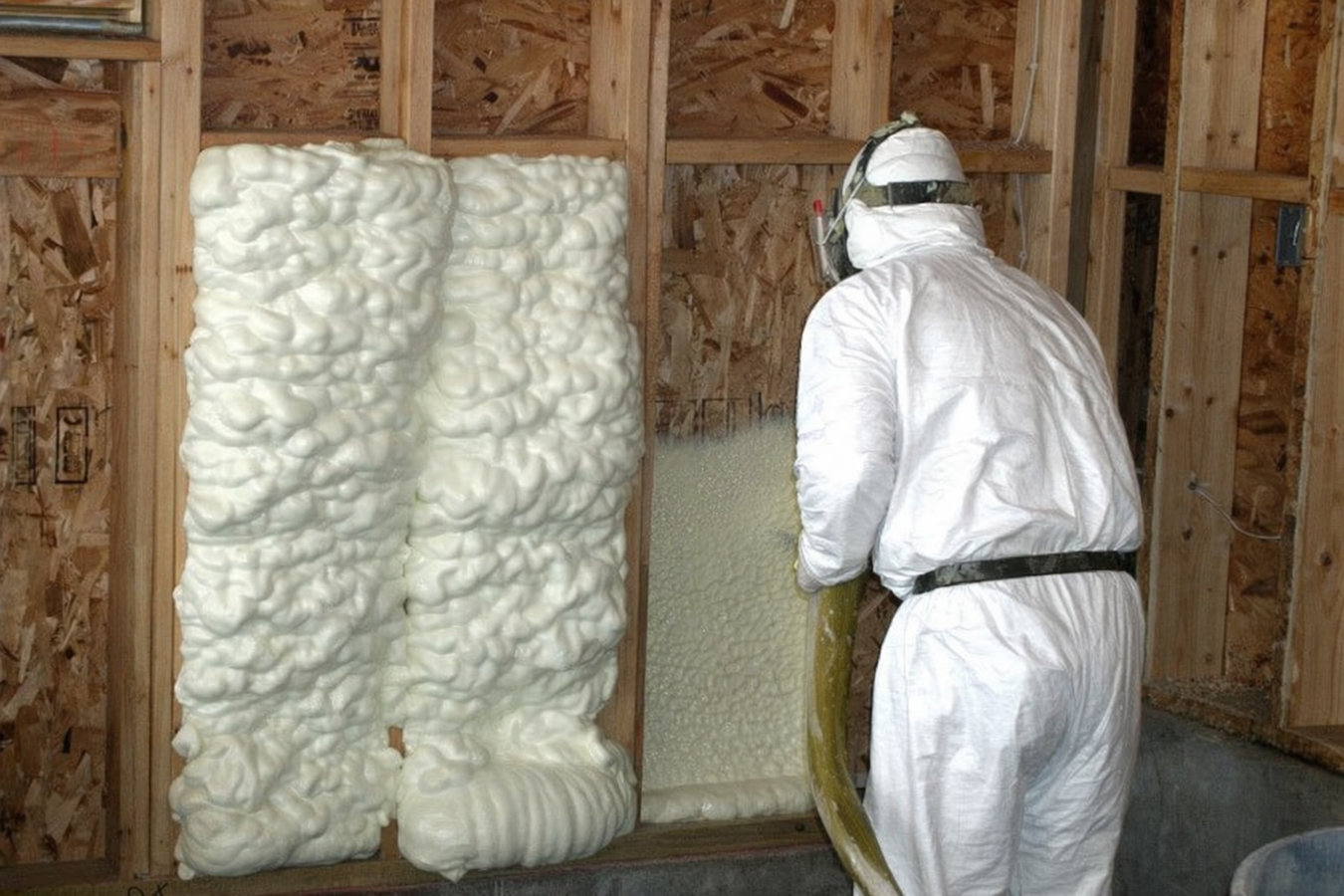
Open-cell foam insulation in Salinas is applied as a liquid spray that expands to fill gaps, cracks, and irregular surfaces - sealing the building envelope and adding insulation in one step; most attic or crawl space jobs are finished in a single day.
Most Salinas homes were built between the 1940s and 1980s, a time when energy codes were minimal and insulation was often thin or absent. If your home feels damp in the mornings, your energy bills seem high for such a mild climate, or certain rooms never quite match the temperature on the thermostat, inadequate insulation and air leakage are the most likely cause. Open-cell foam addresses both problems at once.
Unlike blown-in or batt insulation, open-cell foam creates a continuous air seal, not just a thermal barrier. Homeowners who also want to address wall cavities should ask about our attic air sealing service, which pairs well with foam to maximize the results on older Salinas homes.
If rooms feel muggy or stale even with windows closed, outside air is getting in through gaps in the walls, attic, or floor. Salinas sits close to Monterey Bay, and the marine layer pushes moisture-laden air against your home almost daily. Without a proper seal, that moisture works into your living space and stays there.
Salinas does not get extreme heat or hard winters, so if your heating and cooling costs feel disproportionate, inadequate insulation is a likely cause. When conditioned air escapes through gaps, your HVAC system runs longer than it needs to. That extra runtime adds up on every utility bill, month after month.
If you notice agricultural dust, mildew, or outdoor air when your HVAC runs, outside air is entering through unsealed gaps in the attic or crawl space. Salinas is surrounded by active farmland, and fine particulates are in the outdoor air almost constantly. Unsealed gaps let that air pass directly into your living space through ducts and ceiling penetrations.
Homes built in Salinas before 1990 were constructed under much looser energy standards, and many have little or no insulation in the walls with minimal attic coverage. If you have never had an energy audit or insulation inspection, there is a reasonable chance your home is losing conditioned air in ways you cannot see. A quick visual check in the attic will tell you a lot.
We install open cell spray foam in attics, wall cavities, crawl spaces, and rim joists across Salinas and the surrounding area. The foam is sprayed as a two-component liquid that expands on contact, conforming to framing, pipes, and irregular surfaces that batt insulation cannot reach. Thickness is verified before we leave to make sure the job meets California energy code requirements for Climate Zone 3.
For homeowners dealing with persistent moisture or attic heat, open-cell foam is often paired with our attic air sealing service, which addresses the gaps around light fixtures, pipe penetrations, and wall top plates before the insulation goes in. That combination delivers a tighter building envelope than either service alone. We can also assess whether certain areas of your home, such as crawl spaces with standing moisture risk, are better suited to spray foam insulation using the denser closed-cell material.
Every project starts with an in-person site visit and a written quote. We pull permits when required, coordinate the city inspection, and do a final walkthrough with you so you can see the coverage and confirm the work before we pack up.
Best for homes with accessible attics where you want to seal and insulate the attic floor or roof deck in one application.
Suited to older Salinas homes with hollow wall cavities that have never been insulated, applied through small drilled ports without major drywall removal.
Ideal for crawl spaces with good drainage where you want to insulate the subfloor and seal pipe and joist penetrations.
Targets the perimeter of the floor framing, one of the most common air leak points in older Salinas ranch homes.
Salinas sits in the Salinas Valley just a few miles from Monterey Bay, which means cool, damp marine air rolls in most mornings and evenings throughout the year. That persistent moisture is not just uncomfortable; it finds its way into attics and wall cavities through gaps and can slowly damage wood framing over time. Open-cell foam addresses both the energy and moisture problem at once, sealing the entry points while still allowing the mild vapor movement that a coastal climate requires.
A large share of Salinas homes, particularly in neighborhoods like Alisal and east Salinas, were built in the 1950s through 1970s under minimal energy standards. Many have original single-pane windows and little or no wall insulation. For these homes, open-cell foam can be a significant upgrade. Salinas falls under California Climate Zone 3 under the state energy code, which sets specific minimum insulation levels for any permitted project.
The agricultural air quality in the Salinas Valley also makes proper sealing more valuable than it would be in a typical suburban market. Field dust, pollen, and fine particulates are in the outdoor air almost every day, and unsealed gaps in an attic or crawl space let that outdoor air into your living space through the stack effect. Residents of Seaside, Marina, and Monterey face similar coastal conditions and can contact us for the same service.
Reach us by phone or the contact form. We ask a few basic questions about your home and the areas you want insulated. We reply within one business day and schedule an in-person visit - a phone quote without a site visit is not reliable for foam work.
We walk through the attic, crawl space, or wall areas you want treated, take measurements, and note existing conditions including any moisture damage. You receive a written quote that breaks down cost by area, with a clear explanation of the recommended foam thickness and why.
If the project requires a building permit, we apply with the City of Salinas Building Division before scheduling the work. This step typically adds a few days but protects your investment and ensures an independent inspection confirms the work meets California energy standards.
The crew masks off surfaces, sprays the foam in controlled passes to the confirmed thickness, and trims any excess before it fully hardens. Most attic or crawl space jobs finish the same day. Before leaving, we walk you through the finished areas so you can see the coverage firsthand.
Written quote after an in-person visit. No pressure, no obligation. We handle permits and the city inspection.
(831) 243-7355We work across Salinas, Monterey, Seaside, Marina, and eight additional cities in the region, so we know the housing stock and climate conditions in each area. That local knowledge shapes how we approach every job, from an older ranch in Alisal to a newer east-side home near Highway 68.
Every project is done by experienced crews who understand Title 24 requirements and pull permits when required. Ask for references or documented photos from recent local jobs before you hire. We encourage it.
We do not quote open-cell foam over the phone without seeing the space. Every quote is written, itemized by area, and based on an in-person assessment. There are no surprise charges after the job, and you are under no obligation until you decide to proceed.
Uneven application is the most common problem with spray foam work. We check thickness as we go and confirm coverage before packing up. You can ask to see the measurement, and if a city inspector is coming out, the results are documented for that visit as well.
The combination of local experience, documented work, and transparent pricing is what keeps Salinas homeowners calling us back and referring their neighbors. We treat every home like a neighbor's house, not a production number.
Seal every gap and penetration in your attic floor before adding insulation, so conditioned air stays where it belongs.
Learn moreClosed-cell or open-cell spray foam applied to any area of your home, from crawl spaces to cathedral ceilings.
Learn moreCoastal moisture and field dust work against your home every day. The sooner your building envelope is sealed, the sooner your comfort and energy bills improve.