Loading...
Salinas Insulation is a local insulation contractor serving Monterey, CA with spray foam insulation, attic insulation, and crawl space insulation for the city's mid-century homes, hillside cottages, and coastal properties. We have been working throughout the Monterey Peninsula since 2022 and understand what decades of salt air and marine fog do to a home that was not built with today's moisture-resistant materials.
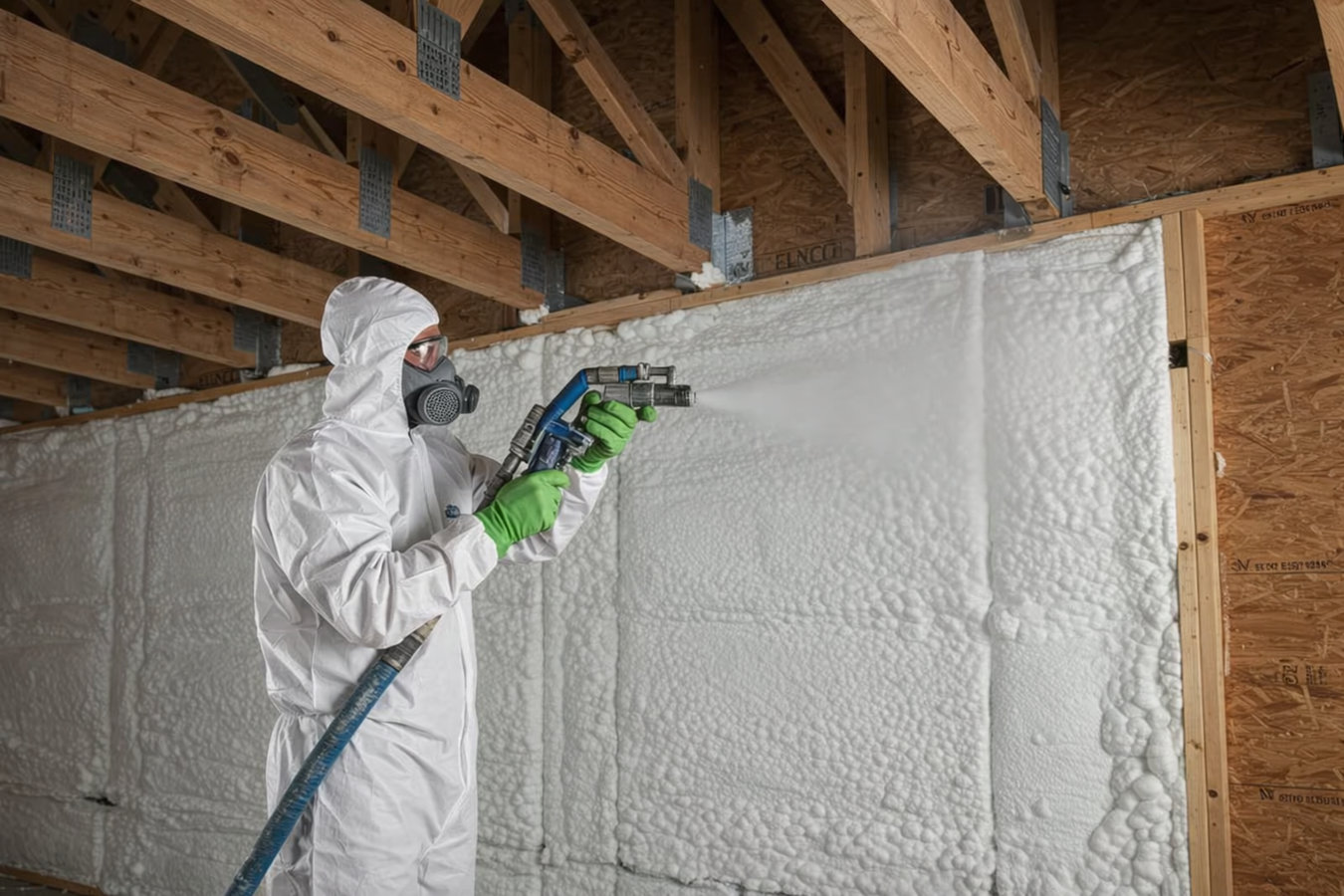
Monterey's salt-laden ocean air and persistent coastal fog create conditions where moisture finds every gap in a home's framing. Spray foam insulation seals those gaps completely while insulating at the same time, and closed-cell foam adds a vapor barrier that is especially valuable for homes within a few blocks of Monterey Bay where humidity levels stay elevated year-round.
Monterey's cool, foggy summers keep heating systems running more than most homeowners expect, and an under-insulated attic means that heat escapes through the roof every night. Many of the city's 1950s and 1960s homes have original attic insulation that has compressed and degraded over decades of exposure to the coastal humidity, reducing its effectiveness well below what California's current standards require.
Many Monterey homes, especially the smaller cottages and bungalows in New Monterey and surrounding hillside neighborhoods, have raised foundations with crawl spaces that were never properly insulated or moisture-proofed. Monterey's heavy winter rainfall averages around 20 inches per year, and that concentrated wet season raises the water table enough to push moisture through unprotected crawl space floors.
Closed-cell foam is the most moisture-resistant insulation option available, which makes it the strongest choice for Monterey properties closest to the water. It provides a higher R-value per inch than any other insulation type, which matters in the tight spaces common in older Monterey cottages where there is limited room for thick batts or deep blown-in applications.
Monterey homes built before 1980 typically have numerous gaps between the living space and the attic where wiring, plumbing, and structural members penetrate the ceiling plane. Each of those gaps pulls warm air up and out of the living space. Air sealing the attic floor bypasses before adding insulation is the step most contractors skip, but it is the one that makes the biggest difference in actual comfort.
Monterey's wet winters and high coastal humidity make vapor management critical for any home with a crawl space or basement. A properly installed ground-level vapor barrier blocks soil moisture from migrating upward into the floor framing, protecting the wood structure and preventing the musty odors that are a common complaint among homeowners in lower-lying neighborhoods near Del Monte Beach.
Monterey sits directly on Monterey Bay, and the city's climate is shaped by cold upwelling water that keeps summer temperatures in the low-to-mid 60s Fahrenheit while pushing fog inland almost every morning. Average July highs are cooler than most visitors expect, and the persistent humidity means that surfaces in and around Monterey homes stay damp for much of the day. Salt in the air accelerates corrosion on metal components and degrades painted wood surfaces faster than in inland climates. For homeowners, this translates to a home that requires more frequent exterior maintenance and is more vulnerable to moisture intrusion through gaps in the insulation envelope.
The housing stock adds to these challenges. A significant share of Monterey's residential properties were built between the 1940s and 1970s, a period when insulation was minimal and vapor barriers were rarely installed. Wood-frame homes with stucco or wood siding are common throughout neighborhoods like New Monterey and the Del Monte Beach area, and many have not had major insulation work done since they were first built. Homes on hillside lots in New Monterey have additional drainage and soil movement concerns during wet winters that can affect crawl spaces and foundation edges.
Monterey also has a distinct rental and military population, driven by the presence of the Defense Language Institute and the Naval Postgraduate School. Rental properties in particular tend to have deferred maintenance, and landlords who have held properties for many years may have insulation that was borderline adequate when installed but is now well below current performance standards. California's Title 24 energy code sets the minimum bar for insulation work in Monterey, and Climate Zone 3, where the city falls, has specific R-value requirements our experienced crews meet.
We have been working on Monterey homes since 2022 and are familiar with the City of Monterey Community Development Department permit process for insulation work. Jobs in the city's historic downtown area near Fisherman's Wharf sometimes require extra coordination because of proximity to historic structures, and we come prepared for that rather than discovering it mid-project.
We know the difference between insulating a hillside cottage in New Monterey above Cannery Row and a larger mid-century home closer to sea level near Del Monte Beach. The hillside properties often have tight, irregular crawl space access and older framing; the beach-adjacent homes tend to have more direct moisture exposure from storm-driven rain and need more aggressive vapor management. Both require different material choices and installation approaches, and we adjust our estimate accordingly.
Our crews travel regularly between Monterey and the surrounding communities. If your property is in Seaside, CA, just adjacent to Monterey to the north, we serve that city on the same routes. We also work throughout Salinas, where many of the same older housing patterns apply.
Call or submit the contact form. We get back to you within 1 business day and ask a few questions about your home, including its age and which areas concern you most. Most Monterey homes we work on are older, so we are used to walking into properties with incomplete records of past repairs.
We come to your Monterey home and inspect the attic, crawl space, and any other areas of concern. In coastal Monterey we pay particular attention to moisture conditions before making a recommendation, since installing new insulation over a damp substrate creates problems that are expensive to fix later. You receive a written estimate before any work is scheduled.
Most Monterey insulation jobs are completed in a single day. Spray foam applications require you to be out of the home for 24 hours after the foam cures; all other work allows you to stay home. The crew handles setup, installation, and cleanup before they leave your property.
After the work is done, we walk you through what was installed and provide written documentation of materials and R-values. This matters in Monterey because federal energy efficiency tax credits and any PG&E rebate applications require proof of what was installed in your home.
We serve all of Monterey, from the hillside streets of New Monterey to the beachside neighborhoods near Del Monte Beach. Call us or fill out the form and we will respond within 1 business day.
(831) 243-7355Monterey is a small city of about 30,000 residents on the southern shore of Monterey Bay, about 120 miles south of San Francisco. The city is recognized internationally for the Monterey Bay Aquarium, its historic downtown near Fisherman's Wharf, and Cannery Row, the waterfront district immortalized in John Steinbeck's novel of the same name. The city's historic core includes some of the oldest surviving adobe buildings in California, now part of Monterey State Historic Park. Learn more at Wikipedia's Monterey, California article.
Monterey's residential neighborhoods include New Monterey, a hillside district above Cannery Row with a mix of older cottages and mid-century homes on sloped lots, and the Del Monte Beach area closer to sea level with more direct ocean exposure. The Defense Language Institute and Naval Postgraduate School bring a steady rotation of military families, contributing to a notable rental market alongside owner-occupied properties. Home values in Monterey exceed $700,000 at the median, and many homeowners here are protecting significant investments. We also regularly serve Seaside, CA, Monterey's neighbor to the north, where similar housing patterns and coastal conditions apply.
The community closest to Monterey that we serve to the south and east is Salinas, the county seat of Monterey County and the largest city in the region. The two cities are connected by Highway 68, and our crews travel the corridor between them regularly.
Seals gaps and air leaks while delivering one of the highest R-values available for new and existing homes.
Learn moreKeeps heat from escaping through the roof and reduces temperature swings throughout the year.
Learn moreLoose-fill material that fills irregular spaces and adds R-value quickly with minimal disruption.
Learn moreComprehensive insulation solutions for every area of the home, from roof to foundation.
Learn moreSafe removal of old, damaged, or contaminated insulation before new material is installed.
Learn moreProtects the underside of your floor from moisture, cold, and energy loss year-round.
Learn moreReduces heat transfer through exterior and interior walls for more consistent indoor comfort.
Learn moreCloses gaps around penetrations and framing to stop conditioned air from escaping.
Learn moreInsulates basement walls and rim joists to lower heating costs and reduce moisture issues.
Learn moreHigh-density foam that acts as both insulation and a vapor barrier in a single application.
Learn moreLightweight, flexible foam ideal for interior walls and sound dampening in residential spaces.
Learn moreTargets the attic floor bypasses where most heat loss in older homes actually occurs.
Learn moreHeavy-duty plastic sheeting that blocks ground moisture from entering your crawl space.
Learn moreControls moisture movement through walls, floors, and ceilings to prevent mold and rot.
Learn moreAdds insulation to finished spaces without major demolition using drill-and-fill methods.
Learn moreEnergy-efficient insulation solutions for offices, warehouses, and multi-unit buildings.
Learn moreServing these cities and communities.
Call us or send a message today. We will schedule a free assessment, inspect your attic and crawl space, and walk you through what your Monterey home actually needs.