
Loading...
Salinas Insulation is a local insulation contractor serving Marina, CA with blown-in insulation, attic insulation, and crawl space vapor barriers for the city's mid-century homes and newer construction near the former Fort Ord grounds. Marina sits on Monterey Bay, and the persistent afternoon winds and year-round coastal fog here put more pressure on a home's insulation envelope than most inland properties ever face. We have been working in Marina since 2022 and understand what that combination of salt air, wind-driven infiltration, and damp conditions does to homes built in this city.
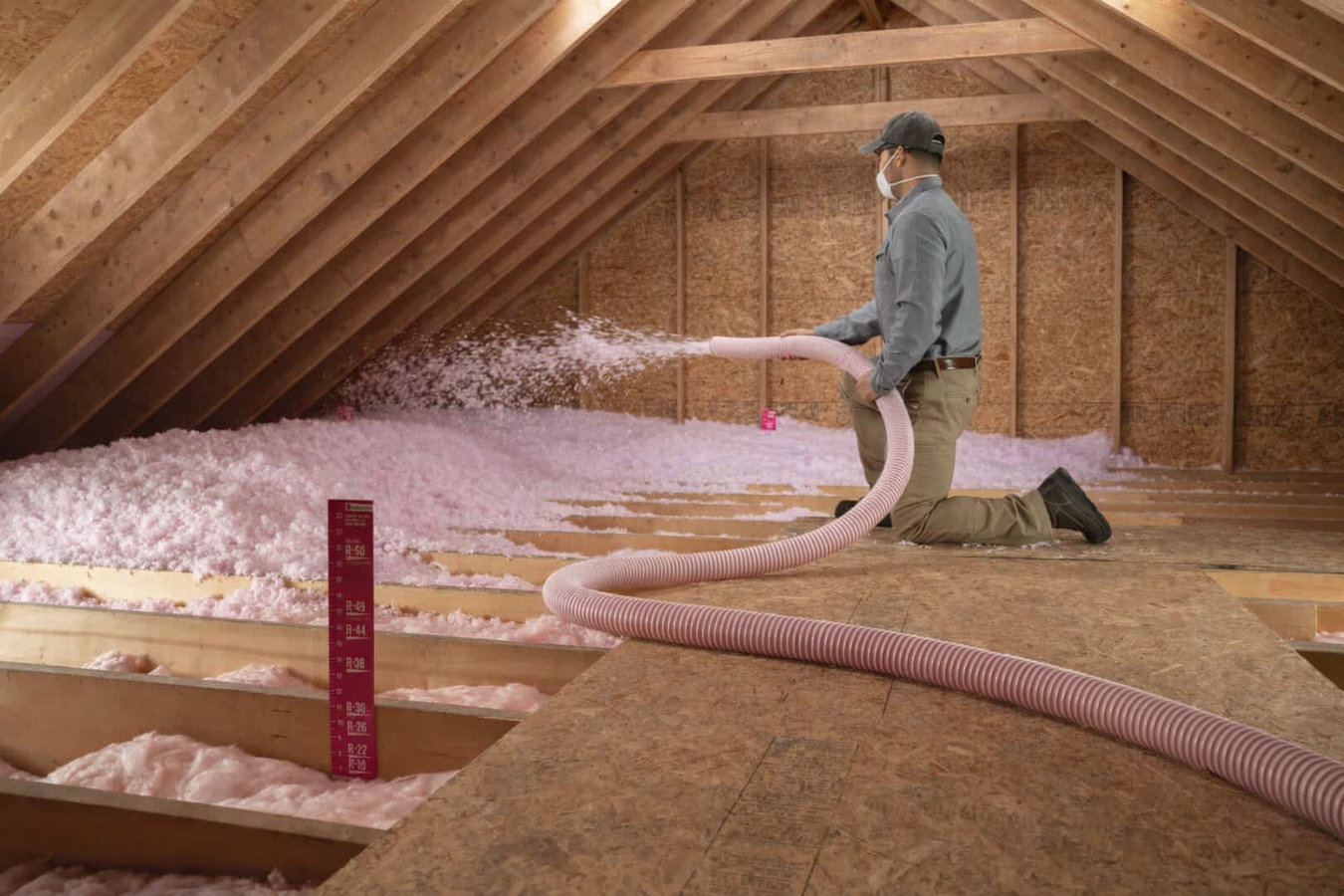
The Fort Ord-era homes that make up most of Marina's housing stock have low-profile attics with original insulation that has been compressed by years of coastal humidity and minor settling. Blown-in insulation fills those attics efficiently, covering irregular spaces around joists and fixtures that pre-cut batts routinely miss, and it can be installed over whatever remains of the original material without a full removal in most cases.
Marina's persistent afternoon winds off Monterey Bay create pressure-driven air movement through attic vents and unsealed penetrations, pushing warm interior air out and pulling cold, salt-laden coastal air in. An attic that was marginal when the home was built is now a significant source of heat loss and moisture infiltration, and upgrading to current California Title 24 standards for Climate Zone 3 makes a measurable difference in both comfort and monthly heating costs.
Marina's sandy coastal soil drains quickly but retains enough moisture year-round that any unprotected crawl space directly absorbs ground vapor that then migrates upward into the floor structure. Homes near the dunes and those on the older streets closer to downtown have the most direct exposure to this ground moisture. A properly installed vapor barrier cuts that pathway and protects the floor framing from the slow rot that often goes unnoticed until it is already expensive to repair.
For rim joists and crawl space walls in Marina homes, closed-cell spray foam provides both insulation and a rigid moisture barrier in a single pass. Rim joists are one of the most commonly overlooked sources of cold-air infiltration in raised-foundation homes, and in Marina's wind-exposed setting, sealing them with closed-cell foam provides a level of air tightness that no batt or blown-in material can match.
In a city with Marina's wind exposure, air sealing is not optional. Afternoon gusts off the bay pressurize the windward side of the home and force outside air through every unsealed gap in the envelope: attic bypasses, wall penetrations, and the joint between the foundation and the framing above it. We air seal before adding any insulation in Marina, because adding insulation on top of active air leaks produces only a fraction of the expected comfort improvement.
Marina has two distinct housing generations: the mid-century military homes near downtown and newer construction on the former Fort Ord grounds built from the late 1990s through the 2010s. Older homes often need full attic upgrades plus wall work; newer homes may need partial retrofits to address specific gaps or to meet updated energy standards. We assess each home individually rather than applying the same approach regardless of what the building actually needs.
Marina sits on the western edge of Monterey County with Marina State Beach running along the city's oceanfront. The prevailing winds off Monterey Bay are among the strongest on the Central Coast, regularly reaching 20 mph or more in the afternoons and carrying salt and fine sand from the dunes into every gap in a home's exterior. That wind loading creates consistent positive pressure on the windward side of any home in Marina, meaning outside air is being pushed inward through cracks and penetrations whenever the wind blows, which is most of the day. No amount of insulation improves a home that has unsealed air leaks, and Marina's wind environment makes air sealing especially important before any insulation material is added.
Most of Marina's housing was built during the Fort Ord era, from the 1940s through the 1970s, when insulation standards were minimal. These are stucco-clad single-family homes with simple floor plans, flat or low-pitched roofs, and original insulation that, after decades of exposure to coastal humidity, is no longer performing near its original rated value. Sandy coastal soil under and around these homes shifts gradually over time, which can crack slab edges and create new infiltration pathways at the foundation. The city also has a newer housing stock near Cal State Monterey Bay, on the former Fort Ord grounds, but even homes built in the 2000s may need targeted retrofit work to address air sealing gaps that were common in that construction era.
Marina's median household income is below the California average, and a meaningful share of households are renter-occupied. That combination means some homes have had years of deferred maintenance on insulation and weatherization. Both homeowners and landlords in Marina have a practical financial incentive to improve insulation because the city's wind exposure means heating systems here work harder than they would in a sheltered inland location, and the cost difference on PG&E bills is noticeable. California's Climate Zone 3, which covers Marina, has specific Title 24 minimum R-value requirements that our experienced crews meet on permitted work.
We have been working in Marina since 2022 and are familiar with the City of Marina Building Department permit process for residential insulation work. The city's housing stock splits clearly into two types, and our crew encounters both regularly: the older mid-century military homes near downtown Marina, which need comprehensive attic and air-sealing upgrades, and the newer tract homes built near Cal State Monterey Bay on the former Fort Ord grounds, which sometimes need targeted retrofit work on specific gaps that newer construction commonly leaves unaddressed.
Marina is a small city, and most of its neighborhoods are within easy reach of the coast. Homes closest to Marina State Beach and the dunes face the highest wind exposure and the most direct salt-air wear. Properties further inland, toward the Fort Ord National Monument boundary, are somewhat more sheltered from direct ocean winds but share the same coastal humidity conditions. We adjust our material recommendations based on where in Marina the home sits.
Marina is between two other cities we serve on regular routes. Just to the south, the postwar neighborhoods of Seaside share the same Fort Ord housing history and the same coastal moisture conditions. To the north, Watsonville, CA has its own mix of older agricultural-area housing and coastal conditions that we handle on the same routes through Monterey County.
Reach us by phone or through the contact form. We get back to you within 1 business day and ask a few questions about your Marina home, including its age and the areas that concern you most. Knowing whether the home is an older Fort Ord-era house or a newer build near CSUMB helps us come to the assessment with the right expectations.
We inspect the attic, crawl space if applicable, and any other areas of concern. In Marina we pay particular attention to signs of wind-driven infiltration and moisture from the coastal environment before recommending materials. Installing insulation over damp framing or active air leaks creates problems that cost more to fix than to prevent. You receive a written, no-obligation estimate before any work is scheduled.
Most Marina insulation jobs are completed in a single day. We air seal the attic bypasses first, then install the insulation. Blown-in attic work lets you stay home throughout; spray foam applications require you to be out for 24 hours while the foam cures. The crew handles all setup and cleanup before leaving your property.
After the work is complete, we walk you through what was installed and provide written documentation of materials and R-values. That documentation is required if you are claiming a federal energy efficiency tax credit or applying for a PG&E rebate, both of which are available to Marina homeowners for qualifying insulation upgrades.
We serve all of Marina, from homes near the State Beach to neighborhoods on the former Fort Ord grounds. Call us or fill out the form and we will respond within 1 business day.
(831) 243-7355Marina is a small coastal city of about 22,000 people on the western edge of Monterey County, situated directly on Monterey Bay between Seaside to the south and Castroville to the north. The city grew around Fort Ord, the U.S. Army base that operated from 1917 until it closed in 1994. That history left Marina with a housing stock built primarily to house military families, most of it constructed between the 1940s and the early 1970s and still standing today in the neighborhoods closest to downtown.
Marina State Beach runs along the city's western edge and is one of the most recognizable features of the city, known for its tall sand dunes and the hang gliding and kite flying that the steady ocean winds make possible year-round. Cal State Monterey Bay, built on the former Fort Ord grounds north of downtown, has been a defining institution in Marina since it opened in 1994 and has brought new residential development to the areas near campus. The contrast between older military-era streets and newer neighborhoods on the former base land is visible throughout the city. We also regularly serve Seaside to the south, where the Fort Ord housing history and coastal conditions are very similar to what we encounter in Marina.
To the north, we work throughout Watsonville, CA and the surrounding Pajaro Valley, where agricultural-area housing and coastal conditions create their own distinct insulation needs. Marina sits at the northern end of the Monterey Peninsula service corridor our crews travel regularly, and we are as familiar with a home on Carmel Avenue in Marina as we are with one on the other side of the peninsula.
Seals gaps and air leaks while delivering one of the highest R-values available for new and existing homes.
Learn moreKeeps heat from escaping through the roof and reduces temperature swings throughout the year.
Learn moreLoose-fill material that fills irregular spaces and adds R-value quickly with minimal disruption.
Learn moreComprehensive insulation solutions for every area of the home, from roof to foundation.
Learn moreSafe removal of old, damaged, or contaminated insulation before new material is installed.
Learn moreProtects the underside of your floor from moisture, cold, and energy loss year-round.
Learn moreReduces heat transfer through exterior and interior walls for more consistent indoor comfort.
Learn moreCloses gaps around penetrations and framing to stop conditioned air from escaping.
Learn moreInsulates basement walls and rim joists to lower heating costs and reduce moisture issues.
Learn moreHigh-density foam that acts as both insulation and a vapor barrier in a single application.
Learn moreLightweight, flexible foam ideal for interior walls and sound dampening in residential spaces.
Learn moreTargets the attic floor bypasses where most heat loss in older homes actually occurs.
Learn moreHeavy-duty plastic sheeting that blocks ground moisture from entering your crawl space.
Learn moreControls moisture movement through walls, floors, and ceilings to prevent mold and rot.
Learn moreAdds insulation to finished spaces without major demolition using drill-and-fill methods.
Learn moreEnergy-efficient insulation solutions for offices, warehouses, and multi-unit buildings.
Learn moreServing these cities and communities.
Call us or send a message today. We will schedule a free assessment, inspect your attic and crawl space, and give you a written estimate for what your Marina home actually needs.