Loading...
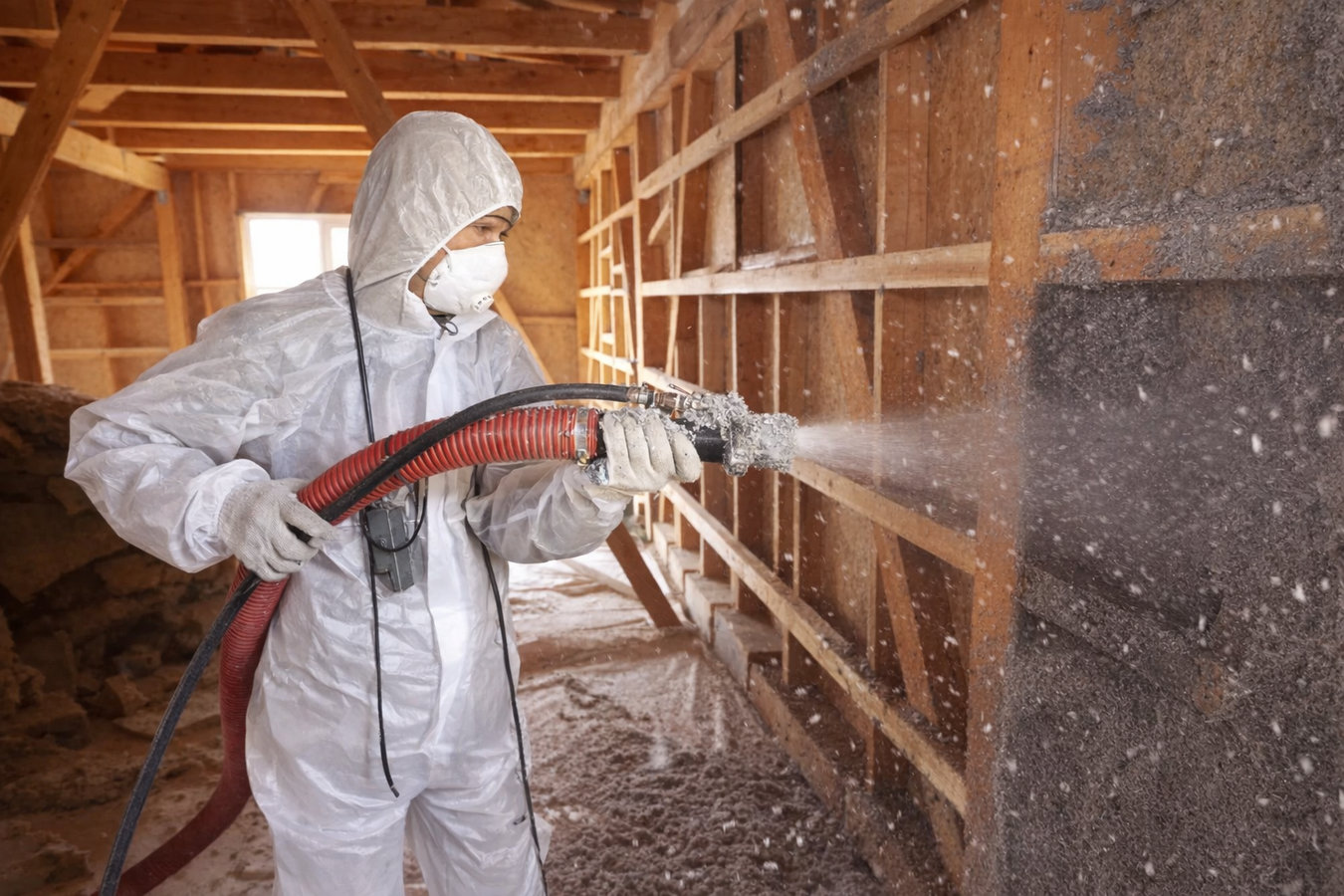
Cold rooms, high energy bills, and that persistent coastal chill are not things you have to live with. We assess your whole home and install the right insulation in the right places.
Home insulation in Salinas slows the movement of heat through your attic, walls, crawl space, and floors so your heating system does not have to work constantly to keep up - most whole-home assessments take one to two hours, and attic work is typically completed the same day. When insulation is thin, compressed, or missing, conditioned air escapes and the cool, damp air coming off Monterey Bay finds its way in through your ceiling and floors.
Salinas homeowners in older neighborhoods near downtown and East Salinas deal with this more than most. Homes built before 1980 were constructed before California adopted its current energy efficiency requirements, and the original insulation in those homes has had decades to settle, compress, or deteriorate. The result is a home that always feels a little uncomfortable and a PG&E bill that is higher than it should be.
A home insulation project typically starts with the attic, since heat escapes through the ceiling first. From there we move to the crawl space and walls as needed. If your attic needs a comprehensive overhaul, our insulation removal service handles clearing out old material before new insulation goes in.
If your home feels chilly or clammy even when the heat is running, conditioned air is escaping and outside air is getting in. In Salinas, the marine layer makes this especially noticeable in the evenings and early mornings. It is one of the most common complaints from homeowners in older Salinas neighborhoods.
If your bill seems out of proportion to how much you use your heating or cooling, your home may be losing energy through poorly insulated walls, ceilings, or floors. This is particularly common in Salinas homes built before the 1980s where original insulation has thinned and settled over the decades.
A musty odor from lower floors or floors that feel cold underfoot can signal that insulation beneath your home has gotten wet or been damaged. Salinas's coastal humidity makes crawl space moisture a frequent problem, and wet insulation loses most of its effectiveness. This is worth checking before it leads to mold or wood rot.
Homes of that era were built to much lower standards than what is required today. Insulation that was installed in the 1960s or 1970s has had decades to compress, degrade, or attract pests. If you have no record of insulation work being done, there is a good chance the home is significantly under-insulated.
We handle every area of your home where insulation matters: attic, crawl space, walls, and basement. Most projects start with a full-home assessment so we know exactly what you have and what you actually need, rather than defaulting to a single-area solution. The attic is almost always the first priority because it accounts for the largest share of heat loss in most single-story Salinas homes.
For homes where the existing insulation has simply deteriorated, we remove the old material before installing new. Old, compacted insulation provides little thermal benefit and can harbor moisture and pests. Our retrofit insulation service is designed for occupied homes that need upgrades without a full renovation. We work around your schedule and your belongings, and the work area is left clean when we are done.
Air sealing is part of every job where gaps and penetrations are contributing to the problem. Insulation slows heat transfer, but air leaks around light fixtures, plumbing, and the attic hatch are a separate issue that reduces how well even good insulation performs. Addressing both in the same visit gives you the best result. We also offer standalone services for individual areas of your home if a specific problem area is the priority.
The highest-impact starting point for most Salinas homes with thin or degraded ceiling insulation.
For homes with cold floors and coastal humidity working its way up through the floor structure.
Right for older homes with no wall insulation where drafts and uneven room temperatures are the main complaint.
Designed for occupied homes that need a comprehensive upgrade without tearing out walls or ceilings.
Salinas sits in a coastal valley between the Santa Lucia Range and Monterey Bay, and the climate here is nothing like what most people picture when they think of California. The marine layer keeps summers cool and damp, and winters are mild but wet, with most of the annual rainfall arriving between November and March. A home without proper insulation absorbs that cool, moisture-laden air rather than holding warmth, which is why so many Salinas homeowners feel like they are fighting their own house during the colder months.
The housing stock in Salinas skews older - much of it built between the 1940s and 1980s, long before California adopted the energy efficiency standards that apply today. Homes in that era were built quickly and affordably to house a growing agricultural workforce, and insulation was minimal or absent in many of them. Upgrading these homes often produces dramatic, immediate improvements in comfort and energy use, not incremental gains.
Homeowners in Monterey and Watsonville face the same coastal conditions and older housing stock, and we regularly work in both cities. PG&E serves the entire area and currently offers rebates for qualifying insulation upgrades - a detail worth knowing before you sign a contract. The ENERGY STAR Seal and Insulate program also provides guidance on what improvements deliver the best return for your climate zone.
Call or fill out our contact form. We will follow up within one business day to ask a few questions about your home and schedule your free in-home assessment.
We inspect the attic, crawl space, and any accessible wall cavities - typically a one to two hour visit. You get a written estimate that explains what we found and what we recommend before any commitment.
A standard attic job is completed in four to eight hours. Larger projects may need two days. You can stay in your home and continue your normal routine throughout the work.
We walk you through the completed work before we leave. If a permit was required, we coordinate the city inspection. We also handle any PG&E rebate paperwork that applies to your project.
We assess first, recommend second. No generic packages, no upsells - just an honest look at your home and a written quote.
(831) 243-7355We look at every area of your home before recommending anything. Many contractors quote the attic and stop there. We check the crawl space and walls too, so you know exactly where your money will do the most good.
We have assessed and insulated homes across Salinas from older downtown ranch houses to east-side subdivisions built in the 1990s. We know what to expect in each type of home before we set foot inside.
Every project starts with a free written estimate and a clear scope of work. Our experienced crews document each job with photos, so you know exactly what was installed and why.
We are familiar with the current PG&E energy efficiency rebate programs and tell you upfront whether your project qualifies. We handle the paperwork for you so you receive every dollar of savings available.
Our work is performed to California Title 24 energy standards for Climate Zone 3, which covers the Salinas area. That matters when you sell your home or pull permits for future renovations. We coordinate any permit the project calls for and document the finished work with photos so you have a clear record.
Safe removal of old, degraded, or pest-damaged insulation before new material is installed - required in many older Salinas homes.
Learn moreInsulation upgrades designed for occupied homes that need comprehensive improvements without a full gut renovation.
Learn moreFree in-home assessment, written estimate, and honest answers. Call now or submit a request and we will follow up within one business day.