Loading...
Salinas Insulation is a local insulation contractor serving Salinas, CA with home insulation, attic insulation, and crawl space insulation for the city's older ranch-style homes and newer east-side subdivisions. We have been operating in Salinas since 2022 and bring hands-on knowledge of the housing stock and climate conditions that define this city.
Salinas's older housing stock, much of it built in the 1950s through 1970s, was constructed before California adopted its current energy standards. Full home insulation upgrades address every area at once, from the attic down to the crawl space floor, so nothing gets missed in a home that has had piecemeal repairs over the decades.
Salinas mornings are cool and damp year-round because of the marine layer from Monterey Bay, which means your heating system runs more than most homeowners expect. An under-insulated attic lets that conditioned air escape through the ceiling every night, and in the older neighborhoods near downtown, many attics have never been updated from their original 1960s installation.
A large share of Salinas homes sit on raised foundations with open crawl spaces. The clay soils under the Salinas Valley floor hold moisture, and that ground-level humidity pushes into uninsulated crawl spaces, making floors cold and creating conditions for mold and wood rot. Proper crawl space insulation paired with a vapor barrier stops both problems at once.
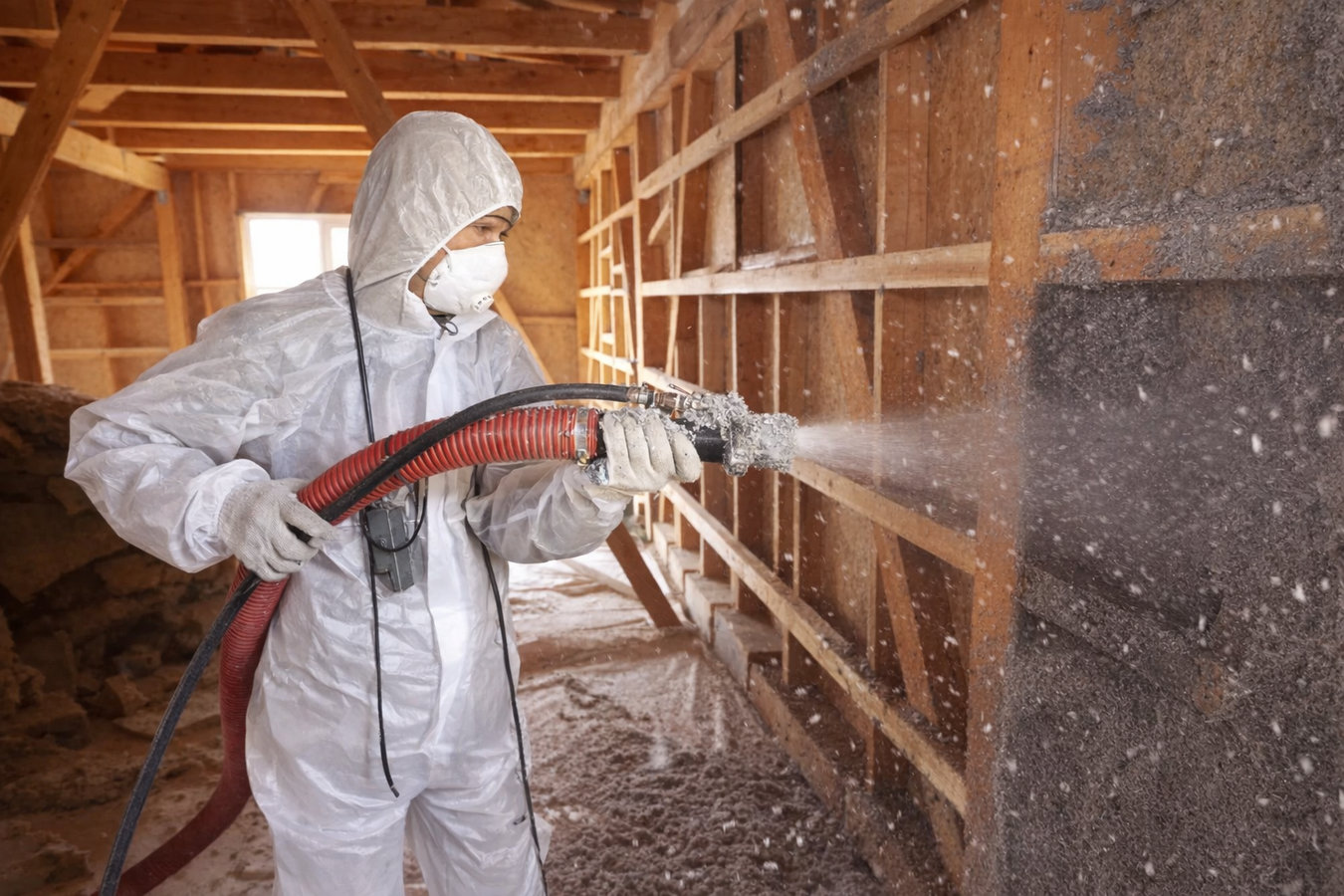
Agricultural dust from the Salinas Valley's fields is a real factor in this city's air quality, and it finds its way into homes through every gap in the building envelope. Spray foam seals those entry points while insulating at the same time, which is why it is particularly effective for the older ranch-style homes in Alisal and East Salinas where framing gaps have only grown over the decades.
The Salinas Valley acts as a natural wind corridor, channeling afternoon gusts in from Monterey Bay. Those winds push air through every gap in an older home's envelope. Air sealing the attic floor bypasses and around wall penetrations is often the single most cost-effective improvement for homes built before 1985, where the cumulative effect of small leaks adds up to a large heat loss.
Salinas has a significant share of finished homes where the walls were never properly insulated during original construction. Retrofit insulation uses a drill-and-fill method to add dense-pack material into closed wall cavities without tearing out drywall, making it practical for the city's stucco-clad ranch homes where interior demolition is not a realistic option.
Salinas sits in the Salinas Valley just a few miles from Monterey Bay, and that proximity shapes the climate in ways that surprise people who picture California as consistently warm and dry. The marine layer rolls in most summer mornings, keeping temperatures mild but humidity persistently high. Winters bring most of the year's 13 to 15 inches of rain between November and March, concentrated enough to stress any older roof or poorly sealed crawl space. The result is a city where moisture-related insulation damage is a genuine concern, not a worst-case scenario.
The housing stock reinforces these concerns. Most Salinas neighborhoods were built in the postwar era, from the 1940s through the 1980s, when insulation requirements were minimal by today's standards. Older homes near downtown, in Alisal, and around Sherwood Park typically have modest square footage, low-pitched roofs, and original insulation that has been compressing for decades. Many of these homes have stucco exteriors over wood frames, and the clay-heavy soils below them expand and contract with the wet-dry cycle, slowly working cracks into walls and foundations that provide new pathways for moisture and air.
On the east side and along the Highway 68 corridor, newer subdivisions from the 1990s and 2000s present a different set of needs. These homes are larger, often two stories, and better sealed than their older counterparts, but they are now reaching the age where roofs and insulation need their first real review. California's Title 24 energy code also sets minimum standards for insulation work that requires a permit, and Salinas falls in Climate Zone 3, which has specific requirements our experienced crews meet.
We have been pulling permits through the City of Salinas Building Division since we started working in this city in 2022. That familiarity with the local permit process means we know what documentation is required for each type of insulation job and can avoid the back-and-forth delays that slow down contractors who only work here occasionally. When a project requires a Title 24 inspection, we come prepared.
We know the difference between the older homes near downtown Salinas, within a few blocks of the National Steinbeck Center, and the newer subdivisions out toward the Highway 68 corridor near WeatherTech Raceway Laguna Seca. The older homes tend to have more serious air sealing needs and more moisture history in the crawl space; the newer ones often need a full attic review for the first time. We bring the right materials and approach for each neighborhood rather than a one-size-fits-all estimate.
We also serve the communities directly surrounding Salinas. If your property is in Monterey, CA, we cover that area as well, and our crews are on the road between the two cities regularly. We also work throughout Seaside, where the housing patterns are similar to the older Salinas neighborhoods.
Reach us by phone or through the contact form. We respond within 1 business day and ask a few quick questions about your home's age and which areas are giving you trouble. You do not need to have a diagnosis ready, just describe what you are noticing.
A crew member comes to your Salinas home, inspects the attic, crawl space, and any other areas of concern, then walks you through a written estimate. We explain the cost drivers so you understand what you are paying for before committing to anything.
Most Salinas insulation jobs are completed in a single day. The crew handles all prep, installs the material, and cleans up before they leave. You can stay home during most work except spray foam applications, which require a 24-hour re-entry window after curing.
When the work is done, we walk you through what was installed and provide written documentation. This matters in Salinas because PG&E rebate applications and any Title 24 permit inspections require proof of materials and R-values installed.
We serve all of Salinas, from the older neighborhoods near downtown to the newer subdivisions on the east side. Call us or fill out the form and we will get back to you within 1 business day.
(831) 243-7355Salinas is the county seat of Monterey County and home to roughly 163,000 residents. It sits at the northern end of the Salinas Valley, a farming region that produces a significant share of the country's lettuce, broccoli, and other vegetables, earning it the nickname the Salad Bowl of the World. The city's character is shaped by its agricultural economy and working-class history, which also shaped the housing that most residents live in today, most of it built quickly and affordably during the postwar boom. Learn more about the city's history at Wikipedia's Salinas, California article.
The city has several distinct neighborhoods. Near downtown, areas like Alisal and the blocks around Sherwood Park feature smaller lots, older ranch-style homes, and mature tree-lined streets. The east side and the corridor out toward Highway 68 saw most of the city's growth in the 1990s and 2000s, producing larger two-story homes on bigger lots. The north side, closer to the route toward Monterey, CA, includes some of the city's higher-income neighborhoods and newer construction.
The city is closely tied to the surrounding region. To the west lies Marina, another community we serve regularly that sits just a few miles from the bay. The National Steinbeck Center anchors Salinas's downtown cultural identity, and the city draws motorsports fans from across the region for events at WeatherTech Raceway Laguna Seca, located just outside the city limits near Monterey.
Seals gaps and air leaks while delivering one of the highest R-values available for new and existing homes.
Learn moreKeeps heat from escaping through the roof and reduces temperature swings throughout the year.
Learn moreLoose-fill material that fills irregular spaces and adds R-value quickly with minimal disruption.
Learn moreComprehensive insulation solutions for every area of the home, from roof to foundation.
Learn moreSafe removal of old, damaged, or contaminated insulation before new material is installed.
Learn moreProtects the underside of your floor from moisture, cold, and energy loss year-round.
Learn moreReduces heat transfer through exterior and interior walls for more consistent indoor comfort.
Learn moreCloses gaps around penetrations and framing to stop conditioned air from escaping.
Learn moreInsulates basement walls and rim joists to lower heating costs and reduce moisture issues.
Learn moreHigh-density foam that acts as both insulation and a vapor barrier in a single application.
Learn moreLightweight, flexible foam ideal for interior walls and sound dampening in residential spaces.
Learn moreTargets the attic floor bypasses where most heat loss in older homes actually occurs.
Learn moreHeavy-duty plastic sheeting that blocks ground moisture from entering your crawl space.
Learn moreControls moisture movement through walls, floors, and ceilings to prevent mold and rot.
Learn moreAdds insulation to finished spaces without major demolition using drill-and-fill methods.
Learn moreEnergy-efficient insulation solutions for offices, warehouses, and multi-unit buildings.
Learn moreServing these cities and communities.
Call us or send a message and we will schedule a time to come out, assess your home, and walk you through your options, no pressure, no obligation.