Loading...
Your home loses heat and cool air every day through under-insulated walls and attics. We add insulation to existing homes with minimal disruption so you feel the difference this season.
Retrofit insulation in Salinas means adding blown-in, spray foam, or batt material to an existing home without tearing out walls or doing a major renovation - most attic jobs finish in a single day.
Most homes in Salinas were built between the 1950s and the 1980s, when insulation standards were minimal or nonexistent. If your home is from that era, the attic may have only a thin layer of material and the walls may have nothing at all. The result is a house that struggles to hold temperature from one room to the next, runs your furnace or air conditioner harder than it should, and sends more money to PG&E each month than necessary. If you are also dealing with moisture coming in through the floor, crawl space vapor barrier installation is a natural companion to retrofit insulation.
The fix is straightforward. An experienced crew assesses what is already there, seals air leaks first, and then adds the right material in the right places. Most homeowners notice fewer drafts and more even temperatures within the first heating or cooling cycle after the work is done, which is the standard result a good retrofit insulation contractor delivers.
These are the warning signs Salinas homeowners most often describe when they call us.
Salinas mornings are cool and damp, and if your home does not hold heat overnight, you feel it the moment you get up. Rooms that never seem to warm up despite a running furnace are the clearest sign the attic or walls are letting heat escape.
If your energy bill has been creeping up without a change in habits, heat loss through under-insulated ceilings and walls is one of the most common causes. Salinas's daily temperature swings keep your system running longer than it should in a well-insulated home.
Hold your hand near an electrical outlet on an exterior wall or close to a window frame on a windy afternoon. If you feel air moving, gaps in your wall cavity are letting conditioned air escape. This is common in Salinas homes built quickly during the postwar boom.
If you can see bare wood between thin patches of material in your attic, you are looking at an obvious gap. Salinas summers push afternoon temperatures into the 80s, and a poorly insulated attic transfers that heat directly into your living space, making your cooling system work all day to keep up.
The most common retrofit job is attic insulation. We add blown-in loose-fill or batt material to bring your attic up to the depth your climate zone requires, sealing any air bypasses around light fixtures, pipes, and framing before we start. Sealing those gaps first is the step most contractors skip, and skipping it means you will still feel drafts even after the work is done.
For walls, we use dense-pack blown-in material installed through small holes drilled from the interior or exterior. The holes are patched and painted the same day. If your older Salinas home has never had wall insulation, adding it can make a noticeable difference in comfort, especially in rooms that face the prevailing valley wind. For homes where moisture is entering from below, whole-home insulation packages address attic, walls, and floor together in a coordinated scope of work.
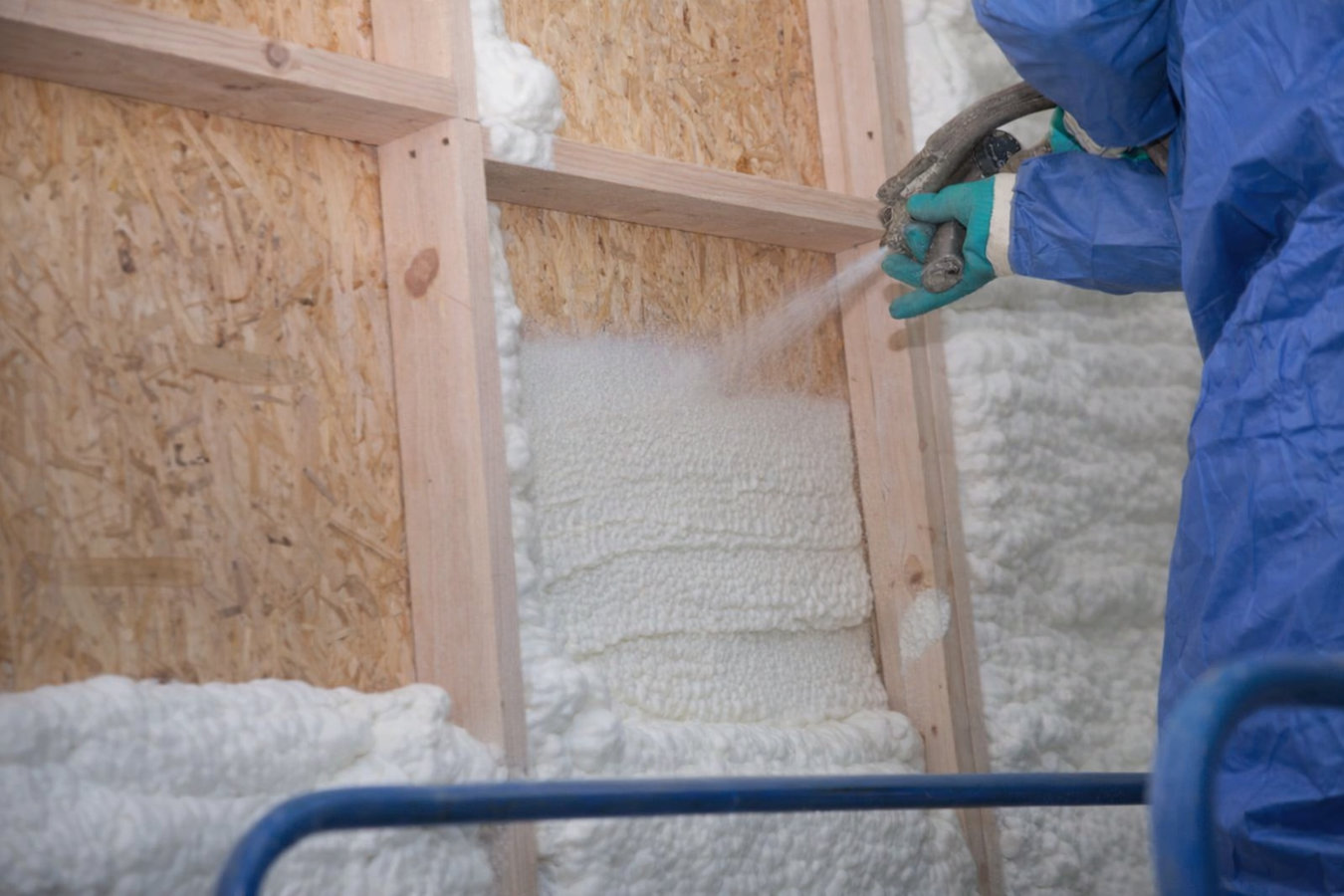
Crawl space and floor insulation rounds out a complete retrofit. Older Salinas ranch homes with uninsulated floors over dirt crawl spaces lose heat directly into the ground. Pairing floor insulation with a vapor barrier stops moisture from compounding the problem. Where spray foam offers better performance, particularly at the edges and penetrations, we use it alongside blown-in material rather than as a substitute.
Best for open attics in existing homes; fast to install and effective across most Salinas home styles.
Fills closed wall cavities through small holes with no wall removal required; ideal for older Salinas homes that were never insulated.
Addresses heat loss through floors in ranch-style homes and reduces moisture problems in dirt crawl spaces.
Every retrofit includes an air-sealing pass; skipping it leaves drafts in place regardless of how much material is added.
Used around pipes, wiring chases, and edge conditions where blown-in material cannot fully seal gaps.
Coordinates attic, walls, and floor work into a single project with one assessment, one quote, and one crew.
Salinas does not have the extreme summers of the San Joaquin Valley, but it has its own energy challenge: daily temperature swings that keep your heating and cooling system constantly cycling. Mornings off Monterey Bay are often in the low 50s with heavy marine fog, while afternoon temperatures can climb into the 80s. A home that holds its temperature through those swings runs its furnace and air conditioner far less, and that gap shows up directly on your PG&E bill. The Western Regional Climate Center documents Salinas's climate patterns in detail for anyone who wants to understand the local heating and cooling load.
The housing stock makes the problem worse. A large share of Salinas's homes were built between the 1950s and the 1980s, when California insulation requirements were minimal. In some of the older neighborhoods near downtown, homes were put up quickly for farmworkers and their families, and construction quality varied. If your home is from that era, there is a good chance the walls have never been insulated and the attic has far less material than it should.
We work across all of Salinas and the surrounding area. Whether your home is in one of the older neighborhoods near Monterey, in a newer subdivision near Seaside, or out toward Gilroy where inland temperatures run warmer, the approach is the same: assess what is already there, seal before you fill, and install material rated for this specific climate zone.
We reply to all inquiries within 1 business day. Here is how the process works from first contact to finished job.
Tell us the age of your home and what you have been noticing, whether that is cold rooms, high bills, or drafts. That helps us come prepared. There is no cost and no obligation to move forward after this step.
We walk your attic, walls, and crawl space, measure existing insulation depth, and look for air leaks. This visit is free and takes about 30 to 60 minutes. We explain what we find before we leave.
You receive a written quote detailing scope, materials, R-value targets, and total cost. We also confirm whether your project qualifies for any PG&E rebates and walk you through how to apply. Take your time reviewing it.
Most attic jobs finish in one day. Wall work takes one to two days. You can stay home throughout. Before we leave, we walk you through what was done and provide the documentation you need for any rebate application or permit records.
Free written estimate. No obligation. We reply within 1 business day.
(831) 243-7355Most contractors skip the air-sealing pass because it takes more time. We include it on every retrofit because insulation alone does not stop drafts. Sealing gaps around light fixtures, pipes, and framing before adding material is what makes the work actually perform.
Salinas's marine fog creates moisture conditions that inland contractors do not account for. We select materials rated for this climate and install them in a way that manages moisture rather than trapping it, so you are not trading a comfort problem for a mold problem down the road.
California rebate programs are real money but the paperwork is specific. We are familiar with PG&E's requirements, document the project correctly from the start, and walk you through what to submit. You should not have to figure out a utility rebate application on top of managing a home improvement project.
Our crews have years of experience retrofitting older Salinas homes and know how these houses are built. We put the full scope and cost in writing before we start and document the finished work with photos, so you have a clear record of what was done.
Retrofit insulation is one of the most cost-effective improvements you can make to an older Salinas home. We combine proper air sealing, climate-appropriate materials, and honest documentation into every project so the work performs the way it should and holds up over time.
Insulation upgrades for commercial buildings, warehouses, and agricultural facilities throughout the Salinas area.
Learn moreComprehensive home insulation packages that coordinate attic, wall, and floor work into a single project for older Salinas homes.
Learn morePG&E rebates are available now and the process goes smoothly when you start early. Call or submit the form and we will get back to you within 1 business day.